Why Choose Stamping for Aluminum Sheet Metal Production?
In the current landscape of manufacturing, Stamping Aluminum Sheet Metal is gaining significant attention. According to a recent report by MarketsandMarkets, the stamping market is projected to reach $153 billion by 2026. This growth is driven by the increasing demand for lightweight materials across various sectors, notably automotive and aerospace.
Johnathan Reed, a leading expert in metal fabrication, emphasizes, “Stamping Aluminum Sheet Metal provides cost-effective solutions while maintaining high precision and durability.” His insights reflect a growing consensus in the industry. As businesses strive for efficiency, aluminum’s lightweight properties enhance performance without compromising strength.
However, the transition to stamping has its challenges. Some manufacturers hesitate due to initial setup costs and the need for specialized equipment. It's crucial to weigh these factors against long-term benefits. Balancing these complexities can lead to innovative solutions that transform production processes. The future indeed looks promising for Stamping Aluminum Sheet Metal, but careful consideration is key.
Advantages of Stamping in Aluminum Sheet Metal Production
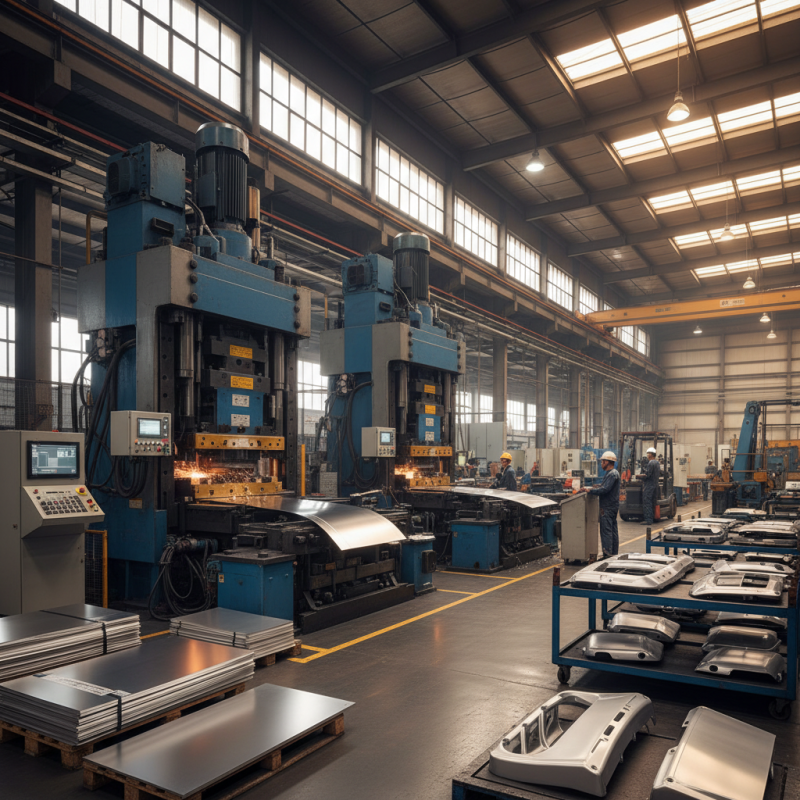
Stamping is a highly efficient process for aluminum sheet metal production. One of its key advantages is speed. Studies indicate that stamping can produce up to 900 parts per hour. This efficiency helps manufacturers meet high demand with fewer resources. Cost savings also play a role. According to a recent industry report, stamping can reduce production costs by nearly 30% compared to alternative methods.
Precision is another significant benefit. Stamping ensures consistent thickness and shape across all parts. This leads to better product quality. However, maintaining precision requires regular equipment checks. A report by the Metal Stamping Association suggests that 15% of production issues stem from improper equipment maintenance.
Tips: Always inspect tooling regularly. This can prevent batch defects. Implementing a scheduled maintenance routine can save time and money in the long run. Additionally, training operators on best practices boosts overall efficiency. Consider investing in staff training programs. The return on investment can be substantial.
In conclusion, while stamping offers many benefits, manufacturers must remain vigilant. The production process is not without challenges. Regular assessments and proactive measures can help mitigate risks, ensuring smooth operations.
Overview of the Stamping Process for Aluminum Sheets
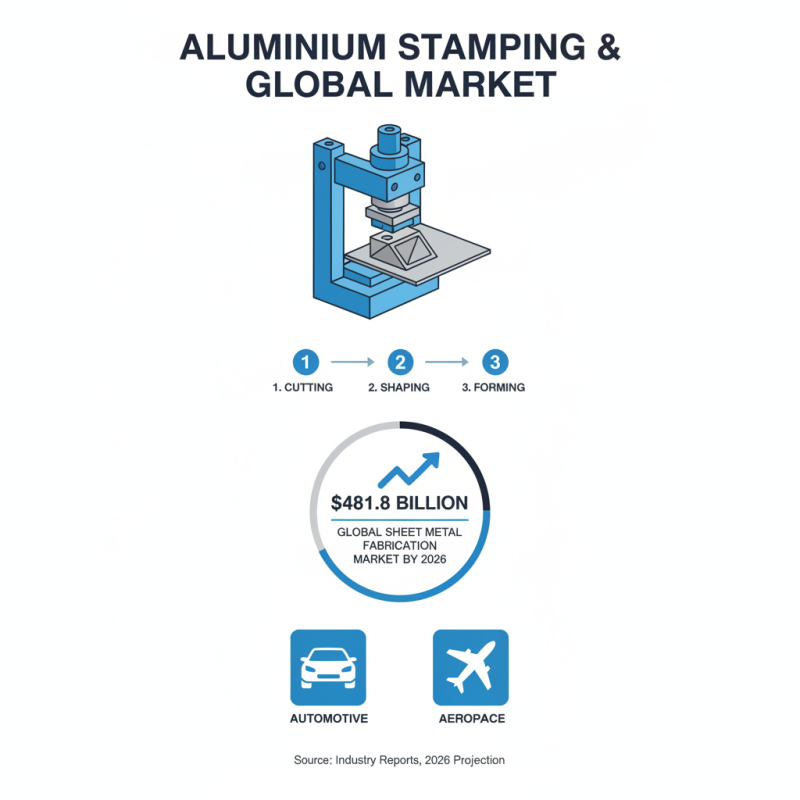
The stamping process for aluminum sheets involves using a die to cut, shape, and form the metal. This method is effective for producing precise and complex parts. According to industry reports, the global sheet metal fabrication market is projected to reach $481.8 billion by 2026, driven by increased demand in various sectors, including automotive and aerospace.
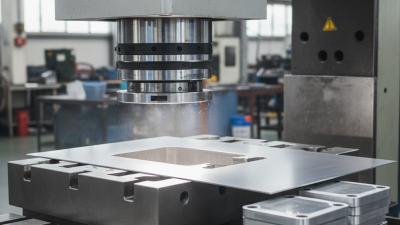
During stamping, sheets are placed into machines that apply high pressure. This pressure can exceed 100 tons, making it crucial to ensure optimal settings to avoid material waste. Researchers indicate that up to 20% of production time may be lost due to improper tooling. It's essential to implement rigorous quality checks to minimize this risk.
The versatility of aluminum in stamping is noteworthy. It can withstand high volumes of production while maintaining a lightweight profile. However, fabricators must consider factors like metal thickness and alloy types. Data shows that lightweight materials contribute to higher fuel efficiency in transportation. Nevertheless, challenges remain in maintaining the balance between strength and ductility in final products. Testing different alloys may yield suboptimal results, highlighting the need for continual adjustments in the stamping process.
Comparison of Stamping with Other Manufacturing Techniques
Stamping has become a popular method for aluminum sheet metal production. It offers high efficiency and precision. However, it's essential to compare stamping with other techniques.
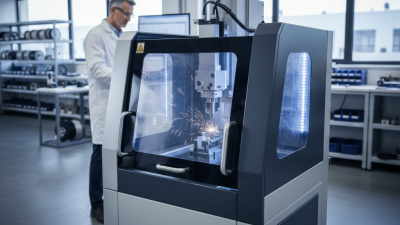
Laser cutting, for instance, is often favored for its intricate designs. Reports indicate that 35% of manufacturers prefer laser cutting for complex geometries. Still, these machines can be slower compared to stamping.
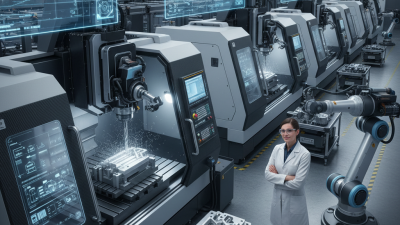
Additionally, machining is another alternative. This method allows for detailed customization. Yet, studies show that it can be 30% more expensive and time-consuming. With stamping, manufacturers can produce large volumes quickly. It's estimated that stamping can achieve a cycle time reduction of up to 50% compared to conventional machining. Yet, the initial setup costs for stamping can be a barrier. Companies may hesitate due to this high upfront investment.
In understanding these methods, it’s clear that each has its strengths and weaknesses. Some businesses may overlook the operational benefits of stamping. They might find themselves stuck in an outdated production method. Each choice must align with the specific needs of the production process. The right decision often hinges on balancing costs, speed, and quality.
Applications of Stamped Aluminum Components in Various Industries
Stamped aluminum components are increasingly prevalent across industries such as automotive, aerospace, and consumer goods. The benefits of aluminum are compelling. It is lightweight, resistant to corrosion, and easily shaped. In fact, the global aluminum stamping market is expected to reach $9.6 billion by 2027, with many sectors relying on these components for their operations.
Automotive manufacturers often use stamped aluminum parts for body panels and structural elements. These components reduce vehicle weight, enhancing fuel efficiency. The aerospace industry benefits similarly. Stamped aluminum is used in aircraft frames and wings. Reports indicate that stamped aluminum can lower aircraft weight by up to 20%. This reduction leads to significant improvements in fuel consumption.
Tip: When designing for aluminum stamping, consider the alloy grades. Different alloys can affect strength and ductility, which can impact the final product's quality.
Consumer electronics also utilize stamped aluminum. Laptops, mobile devices, and appliances often incorporate aluminum to optimize durability without adding weight. Despite its advantages, precision is vital in stamping processes. Misalignments can lead to wasted materials and higher costs.
Tip: Regularly review your stamping processes. Small adjustments can yield substantial quality improvements over time. Keeping track of performance metrics can guide your production strategy.
Applications of Stamped Aluminum Components in Various Industries
This chart illustrates the market share of stamped aluminum components across various industries. The automotive sector leads with 30%, followed by aerospace at 25%. Other significant sectors include construction, consumer electronics, and HVAC, showing the versatility and demand for aluminum stamping in these applications.
Challenges and Considerations in Aluminum Stamping Processes
Aluminum stamping processes present unique challenges and considerations. The material’s lightweight properties contribute to its appeal but can also complicate the stamping process. Operators need to account for aluminum's tendency to deform under pressure. This requires precise control over stamping parameters. Every adjustment in pressure can lead to variations in the final product.
One critical factor is tooling. Due to aluminum’s softness, tooling might wear out faster than with other metals. Regular maintenance can help mitigate this issue, but costs may escalate over time. Operators must balance quality and expense throughout the production cycle.
Another consideration is the risk of surface damage. Aluminum sheets are prone to scratching and denting. Protecting the surface during handling and stamping is vital. Implementing protective coatings can help, but they might affect adhesion if secondary processes are needed. Such trade-offs require diligent oversight and a willingness to adapt strategies for quality outcomes.