Top Blanking Die Applications in Manufacturing and Production Processes?
In the realm of manufacturing, Blanking Die technology plays a crucial role. A blanking die is essential for cutting materials into desired shapes. This is vital in sectors like automotive, aerospace, and electronics, where precision is critical. According to a report by Grand View Research, the global die manufacturing market is anticipated to reach $20 billion by 2025, highlighting the growing importance of these tools.
Blanking die applications are diverse, ranging from simple shapes to complex designs. The efficiency gained from using advanced die techniques can lead to significant cost savings. However, many manufacturers overlook the maintenance of these tools, leading to decreased productivity. In fact, a staggering 30% of downtime in production is often tied to machinery failure, including die issues.
Despite the advantages, the reliance on blanking dies presents challenges. Tool wear and error rates can affect product quality. Ongoing training and up-to-date knowledge of technology are essential for operators. While the industry is growing, there is still much room for improvement in processes and practices surrounding blanking die applications.
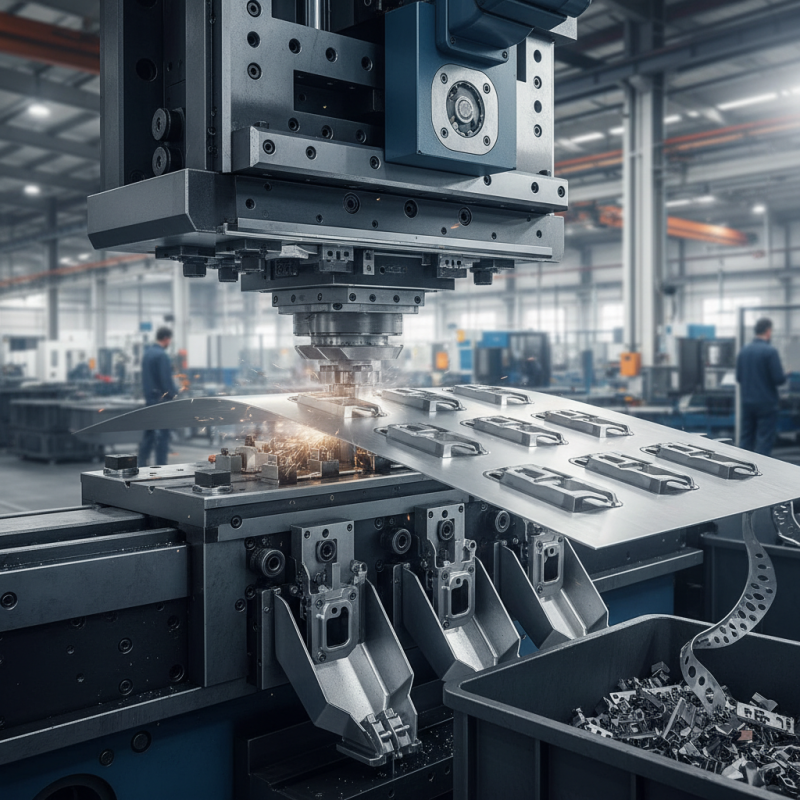
Overview of Blanking Die Technology in Manufacturing
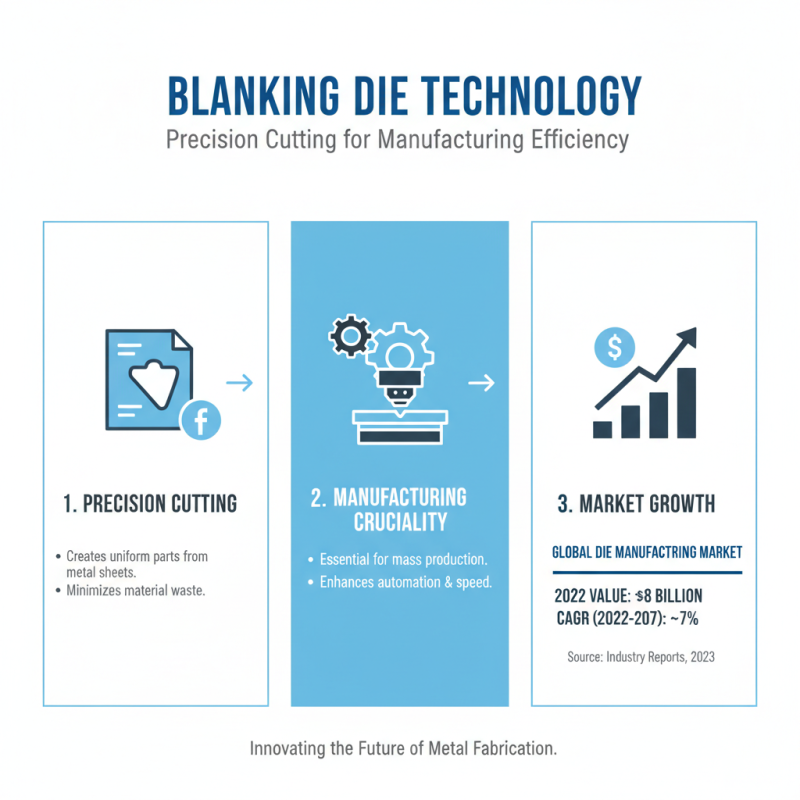
Blanking die technology is crucial in manufacturing. It allows for precise cutting of materials. This process helps create parts from sheets of metal, reducing waste. Reports indicate that the global die manufacturing market was valued at approximately $8 billion in 2022, with a compound annual growth rate (CAGR) of around 7%. This growth points to increasing reliance on automation and efficiency in manufacturing.
Using blanking dies can increase production speed. Automated systems equipped with these dies can produce hundreds of pieces per hour. However, the initial investment in this technology can be a barrier for some companies. A lack of skilled operators can also limit effectiveness. The balance between technology and human skill remains a challenge.
Material choice is critical in blanking processes. The thickness and type of metal affect die performance. For example, high-carbon steel often performs better under heavy loads. Yet, proper maintenance is sometimes overlooked, leading to quicker wear and tear. Adjusting die designs to prevent issues is necessary but often neglected. An ongoing assessment of both technology and maintenance practices is essential for optimal results.
Key Industries Utilizing Blanking Dies for Production Processes
Blanking dies play a crucial role in various industries. They are used extensively in automotive manufacturing, where precision and efficiency are vital. According to a recent industry report, almost 70% of automotive components are produced using blanking processes. This method allows manufacturers to create intricate shapes from metal sheets quickly. The ability to handle high production volumes with minimal waste makes blanking dies invaluable.
Another key sector utilizing blanking dies is electronics. The electronics industry requires high precision parts, which blanking dies can deliver. A study indicates that the demand for electronic components is projected to grow by 6% annually. This surge pushes manufacturers to adopt advanced blanking techniques to keep up. However, challenges arise in maintaining quality control and managing production timelines.
In the appliance sector, blanking dies help produce components like housings and brackets. The need for durable and lightweight parts drives innovation in blanking technology. Yet, the industry faces hurdles in optimizing die life while minimizing costs. Ensuring the dies perform well under pressure is an ongoing concern. Balancing quality, efficiency, and cost is a demanding task for manufacturers.
Common Materials Processed Using Blanking Dies
Blanking dies play a crucial role in various manufacturing processes. They efficiently cut materials into desired shapes. Different industries frequently utilize blanking dies for their production needs.
Common materials processed using blanking dies include metals, plastics, and composites. For instance, steel sheets are often blanked to create parts for automotive manufacturing. These components help build durable vehicles. Aluminum is another popular option. It is lightweight and corrosion-resistant, making it ideal for many applications.
Plastics such as polycarbonate are also blanked to produce intricate shapes. This material is useful in the electronics sector. Composites, combining different materials, are gaining traction. Yet, processing these materials can be challenging. Blank edges may sometimes be rough, requiring additional finishing steps. Manufacturers must continuously evaluate their processes to enhance efficiency.
Advantages of Blanking Dies in Efficient Manufacturing
Blanking dies are crucial in modern manufacturing. They offer several advantages that enhance efficiency in production processes. According to a recent industry report, about 70% of manufacturers have adopted blanking die techniques in their operations. This number is expected to grow as firms seek more streamlined production methods.
One key advantage is waste reduction. Blanking dies can produce shapes with minimal scrap material. This efficiency translates into lower production costs and improved resource management. In specific applications, manufacturers report up to 30% less waste when using state-of-the-art blanking dies. Yet, challenges remain. Some die setups take significant time, impacting overall productivity.
Moreover, the ability to produce complex shapes is another significant benefit. Advanced blanking dies can create intricate designs that meet precise specifications. Despite this, achieving high accuracy requires skilled operators. Training staff adequately adds to initial costs, posing a barrier for some manufacturers. Balancing upfront investment with long-term benefits is a delicate equation.