10 Tips for Choosing the Right Precision Machining Part for Your Project?
Choosing the right Precision Machining Part for your project is crucial in ensuring success. According to a report by the Precision Metalforming Association, the precision machining industry is expected to grow by 5% annually through 2025. This growth emphasizes the importance of selecting quality components to meet high standards in manufacturing.
Industry expert John Thompson has stated, "The right part can make or break your project." This statement highlights the impact of precise components on overall operational efficiency. When dealing with Precision Machining Parts, understanding the necessary specifications matters immensely. Factors such as material choice, tolerance levels, and surface finishes require careful consideration.
Many projects fail due to overlooked details. For example, using an inferior Precision Machining Part can lead to mechanical failure or increased production costs. This reality calls for a thorough evaluation of each component. With the right approach, it's possible to avoid costly mistakes and ensure the best outcomes for your project.
Understanding the Basics of Precision Machining Parts
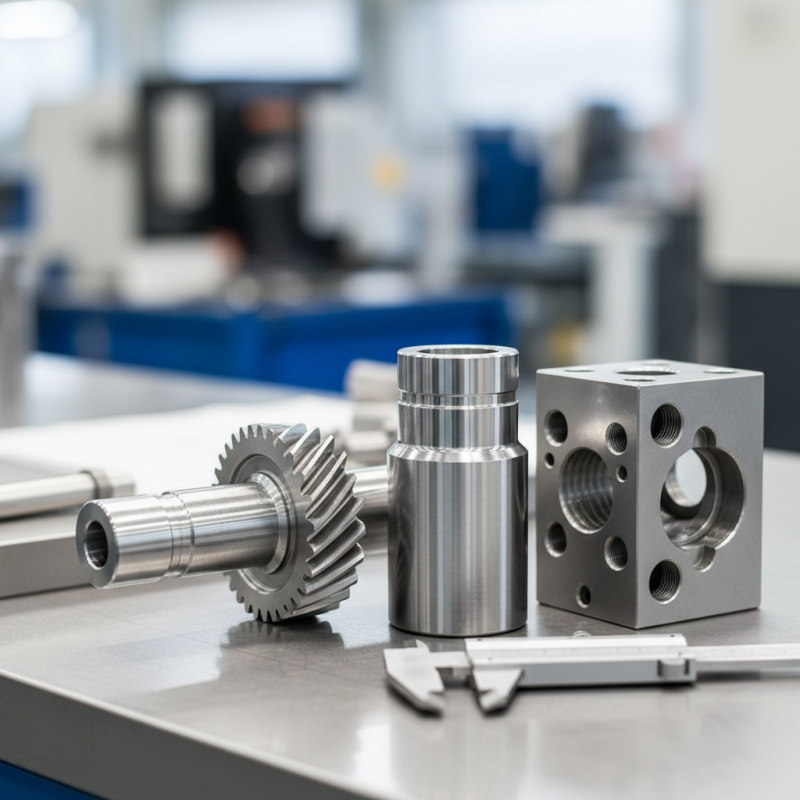
Precision machining parts play a crucial role in various industries. They are essential for maintaining high tolerance levels. In fact, the industry reports that machining parts can achieve tolerances as tight as ±0.001 inches. This level of precision is necessary for components used in aerospace, automotive, and medical applications.
A proper understanding of precision machining is vital. Different materials impact the machining process. For example, aluminum is easier to machine than titanium. However, harder materials provide greater durability. It’s important to weigh the benefits and drawbacks. A common mistake is prioritizing cost over quality, which can lead to failures. Data shows that 40% of projects could incur additional costs from choosing inferior parts.
Choosing the right machining part is complex. Details like surface finish and dimensional accuracy must be considered. Many engineers overlook these factors. This can lead to parts that do not fit or perform as intended. Ensuring you have the right specifications is key to project success. A well-informed choice can prevent costly rework later.
Identifying Project Requirements for Precision Components
Identifying project requirements is crucial when selecting precision machining parts. Understanding the specific purpose of each component helps streamline the whole process. For instance, consider the material needed; choose one that withstands environmental factors.
Aluminum may be lightweight but lacks corrosion resistance.
Stainless steel, on the other hand, offers durability but can be heavier.
The size and tolerance of the parts are also vital factors. A mismatch can lead to significant project delays. For example, if a part doesn’t fit properly, it may necessitate rework. This adds both time and costs. It’s important to have precise measurements and clear specifications from the start. However, even the most detailed plans can have oversights.
Don’t forget about the finish quality. The surface of the part can affect both functionality and aesthetics. A rough finish might cause friction or other issues in the final assembly. Investing time upfront in assessing these characteristics prevents future complications. Reflecting on past projects can help identify common pitfalls and improve decision-making in selecting suitable precision components.
Evaluating Material Options for Machined Parts
When choosing material options for machined parts, it’s crucial to focus on specific properties. Consider strength, ductility, and corrosion resistance. For example, aluminum offers lightweight benefits but may not withstand high stress. Stainless steel provides excellent durability but can be heavy. The intended environment of the part can heavily dictate the material choice.
Another critical factor is the machining efficiency of the material. Some materials are easier to machine than others. For instance, softer metals may machine quickly, but they might wear tools faster. Evaluate your budget and production timeline against these properties. Sometimes, the perfect material is a compromise between cost and functionality. Testing various materials can reveal unexpected results, leading to potential revisions in design. Careful consideration and evaluation are essential in optimizing your project outcomes.
10 Tips for Choosing the Right Precision Machining Part for Your Project
| Material Type |
Strength |
Weight |
Cost |
Best Use Case |
| Aluminum |
Moderate |
Light |
Low |
Aerospace Components |
| Steel |
High |
Moderate |
Medium |
Heavy Machinery |
| Titanium |
Very High |
Light |
High |
Medical Implants |
| Brass |
Moderate |
Moderate |
Medium |
Plumbing Fittings |
| Plastic |
Low |
Very Light |
Low |
Consumer Products |
Assessing Tolerances and Specifications in Design
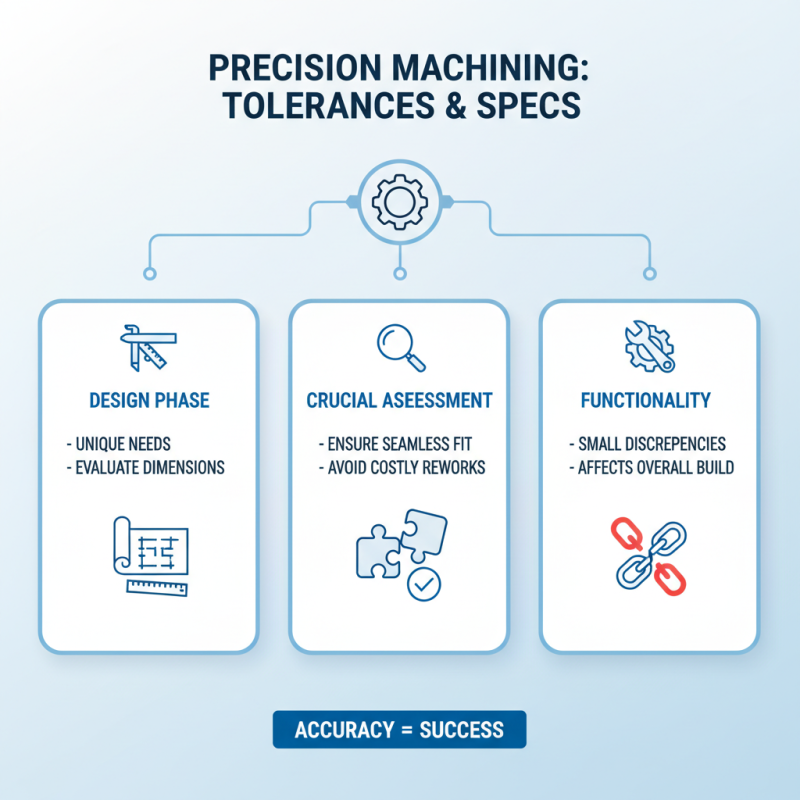
When undertaking a project that involves precision machining parts, assessing tolerances and specifications is crucial. Every design has unique needs. Understanding these requirements helps ensure that parts fit together seamlessly. Miscalculations in this phase can lead to costly reworks. Designers should closely evaluate the dimensions. Even small discrepancies can affect overall functionality.
Specification details guide the manufacturing process. Tolerances define the allowable variations in dimensions. They can range from tight to loose, depending on the application. For instance, automotive components often require tighter tolerances for safety. In contrast, decorative items may accept larger margins. It's essential to balance design intentions with manufacturing capabilities.
Additionally, constant reflection on the design process can uncover potential issues. A design that seems perfect on paper might feel different in practice. Collaboration with machinists can provide insights into what is feasible. Engaging in discussions early can prevent misunderstandings later. As projects evolve, revisiting tolerances and specifications may be necessary. Adaptability is key to a successful outcome.
Choosing a Reliable Supplier for Precision Machining Services
When selecting a supplier for precision machining services, reliability is key. Look for suppliers with a proven track record. Check their experience and previous projects. This can reveal their capability and craftsmanship. Do they have the right machinery? Understand their technology and tools used. This is essential for ensuring quality and precision in machining parts.
Don't forget about communication. A reliable supplier should be approachable and responsive. This helps address any concerns quickly. Ask about their quality control processes. Knowing how they maintain standards gives you confidence in your choice. Be wary of suppliers that can't provide clear information. This could lead to misunderstandings or issues later.
Finally, consider customer reviews and references. Speak to past clients if possible. Their experiences can highlight potential pitfalls. Remember that not every supplier will fit your needs perfectly. Trust your instincts, and reflect on your requirements. Take your time to make a well-informed decision.