Why is Precision Machining Part Essential in Modern Manufacturing?
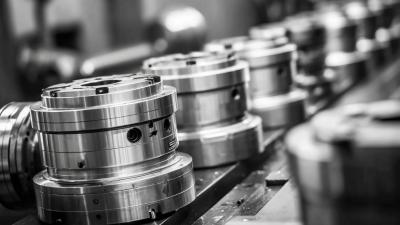
In the realm of modern manufacturing, the role of Precision Machining Parts has become crucial. These components are integral to ensuring high efficiency and accuracy in production processes. They are used across various industries, including aerospace, automotive, and medical devices. Each part must meet strict standards.
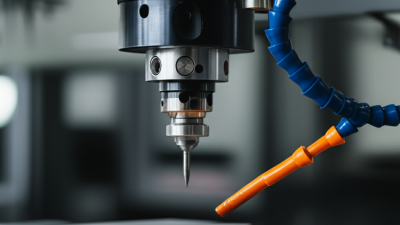
Precision machining involves intricate processes. Computer Numerical Control (CNC) machines play a significant role here. They create parts with exact specifications, enhancing product quality. However, the reliance on technology also brings challenges. Not every component is perfect. Minor errors can occur during production. Addressing these imperfections is essential for maintaining high standards.
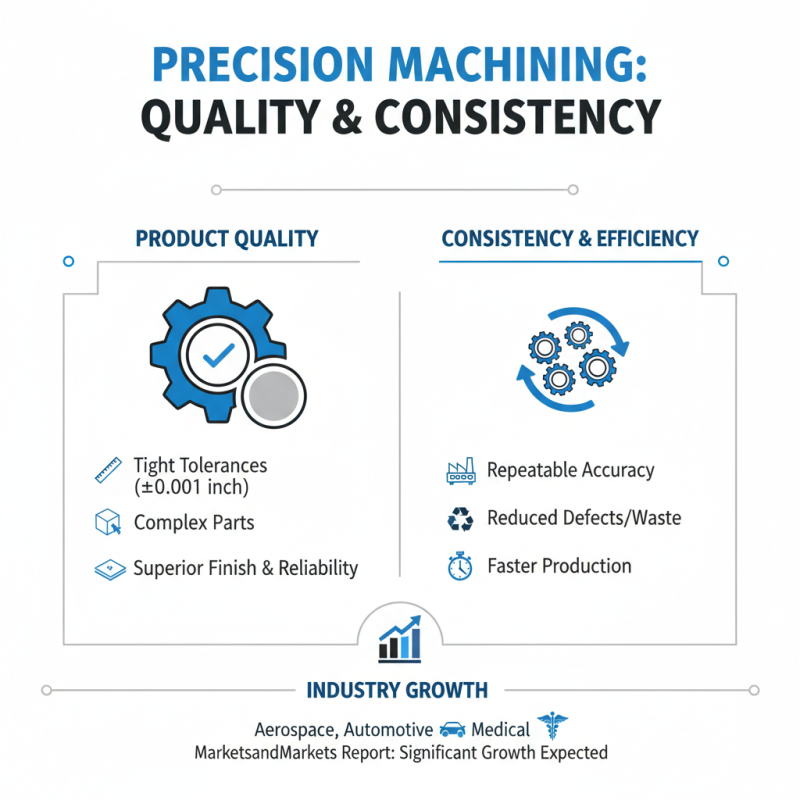
The demand for Precision Machining Parts continues to rise. Manufacturers strive for better precision and efficiency. This push for improvement often leads to innovative solutions. Nonetheless, the journey toward perfection is ongoing. Each step forward requires careful reflection. Embracing both successes and failures is vital in this evolving landscape.
The Role of Precision Machining in Modern Manufacturing Processes
Precision machining is critical in modern manufacturing. It creates parts with high accuracy and tight tolerances. These components are essential for various industries, including aerospace, automotive, and electronics. The precision of these parts directly impacts the efficiency and performance of the final products. Accurate machining reduces waste and prevents costly recalls.
One key aspect of precision machining is the technology used. CNC machines enable manufacturers to produce complex shapes and specifications consistently. However, not all manufacturers have access to the latest machinery. This can lead to discrepancies in quality. It’s vital to maintain equipment regularly to ensure optimal performance.
Tip: Invest time in training staff. Skilled operators are crucial for producing high-quality parts. Also, consider collaborating with other firms. Sharing knowledge can improve machining practices and technology use.
Effective communication among teams is essential. Misunderstandings can lead to errors during the machining process. Documentation of standards and guidelines helps maintain clarity. Nonetheless, outdated practices sometimes linger, hindering progress. Constant evaluation of processes is necessary for improvement.
Key Technologies Driving Precision Machining Advancements
Precision machining is a cornerstone of modern manufacturing. It significantly enhances production efficiency and accuracy. Key technologies are driving advancements in this field. Computer numerical control (CNC) machines are pivotal. They allow for high precision and repeatability in part production. This technology can produce complex shapes quickly and with minimal human intervention.
Automation is also transforming machining processes. It reduces labor costs while increasing output. However, deploying automation effectively requires good planning. Not all machinery can adapt to automation easily. Teams must consider how existing workflows will integrate new technologies.
Tips: Regular training for staff is invaluable. Keeping workers updated ensures they can effectively use new machinery. Embrace pilot projects to experiment with new technologies. This will help identify the best approaches without overwhelming production. Ultimately, precision machining is vital but must evolve thoughtfully.
Benefits of Precision Machining in Product Quality and Consistency
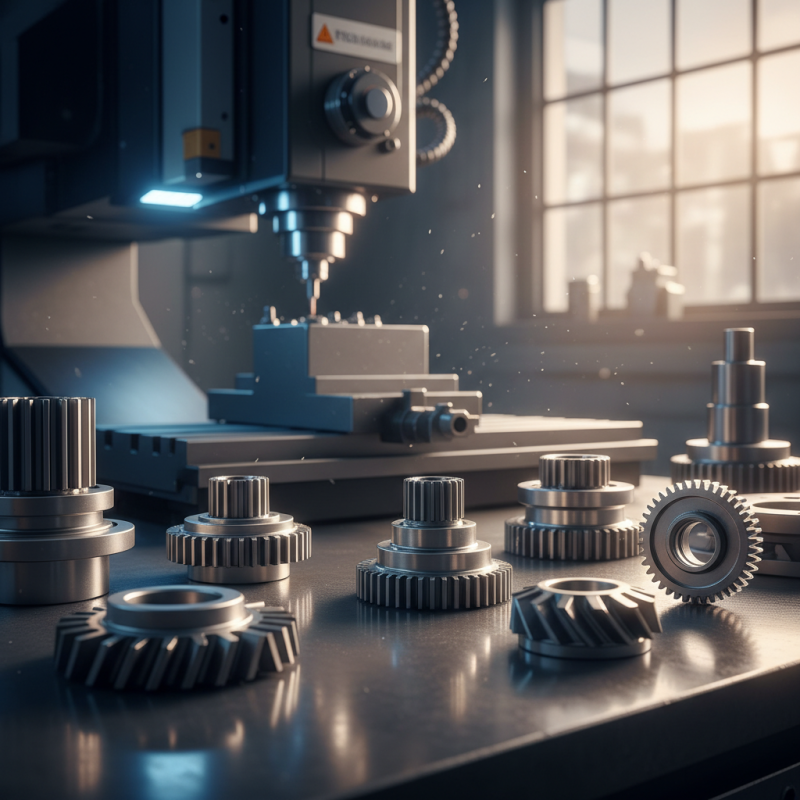
Precision machining plays a vital role in modern manufacturing, particularly in ensuring product quality and consistency. According to a report by MarketsandMarkets, the precision machining industry is expected to grow significantly, driven by its ability to produce complex parts with tight tolerances. For instance, high-precision parts are crucial in sectors like aerospace and automotive. These industries often require an accuracy of ±0.001 inches to maintain safety and functionality.
The benefits of precision machining are evident in various applications. Manufacturers can achieve consistent quality across production runs, leading to fewer defects. A study from the National Institute of Standards and Technology showed that companies employing precision machining techniques saw a 20% reduction in manufacturing defects. This reduction not only improves product reliability but also enhances customer satisfaction.
However, challenges remain. The initial setup costs for precision machining can be high. Additionally, skilled labor is necessary to operate advanced machinery effectively. A lack of training can result in inconsistent output. Therefore, while precision machining offers significant advantages, companies must continuously assess their processes and invest in workforce development to maximize these benefits.
The Impact of Precision Machining on Cost Efficiency and Production Speed
Precision machining is a key player in manufacturing today. Its influence on cost efficiency and production speed cannot be overstated. A recent report by the National Association of Manufacturers noted that precision machining can reduce production costs by up to 20%. This is achieved through minimized waste and enhanced accuracy in cutting materials.
Moreover, precision machining enhances production speed significantly. According to a study by the Manufacturing Institute, companies using advanced CNC machining technologies can increase their output by 50% or more. This lower cycle time translates to quicker turnarounds and faster market responses. However, adopting precision machining can be a hefty investment. Not every company can afford high-end machines or skilled operators.
There's an inherent need for continuous improvement. While precision machining boosts efficiency, it also introduces complexity. Employees must constantly update their skills to keep pace. As technology advances, gaps may emerge between current capabilities and market demands. Companies need to reflect on how to bridge these gaps for sustained success in manufacturing.
Impact of Precision Machining on Cost Efficiency and Production Speed
Future Trends and Innovations in Precision Machining Techniques
Precision machining plays a vital role in modern manufacturing, and it continues to evolve. Future trends are shifting toward automation and smart technologies. According to a recent report, 60% of manufacturers plan to integrate AI in their machining processes by 2025. This could revolutionize efficiency. However, there are challenges. Not all companies are ready for such changes.
New materials are emerging as well. Advanced composites and lightweight alloys are gaining traction. Precision machining must adapt to these materials. A study shows that 30% of manufacturers struggle with machining complex geometries. The need for skilled operators is increasing.
Upskilling the workforce becomes crucial for tackling these complexities.
Sustainability is another focus area. The industry faces pressure to reduce waste. Precision machining techniques can help achieve this goal. A report indicates that 20% of companies are adopting greener technologies. However, not everyone is onboard yet. The balance between innovation and practicality needs reflection. Companies must navigate these trends wisely to remain competitive.