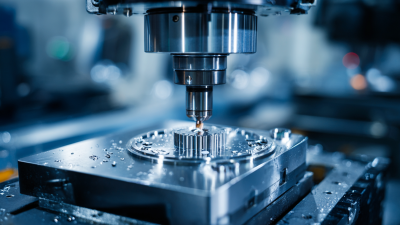
What is Mould Insert and How Does it Work?
Mould inserts are essential components in the injection molding process. They help shape the final products with precision. Understanding how a mould insert works can enhance production efficiency and quality.
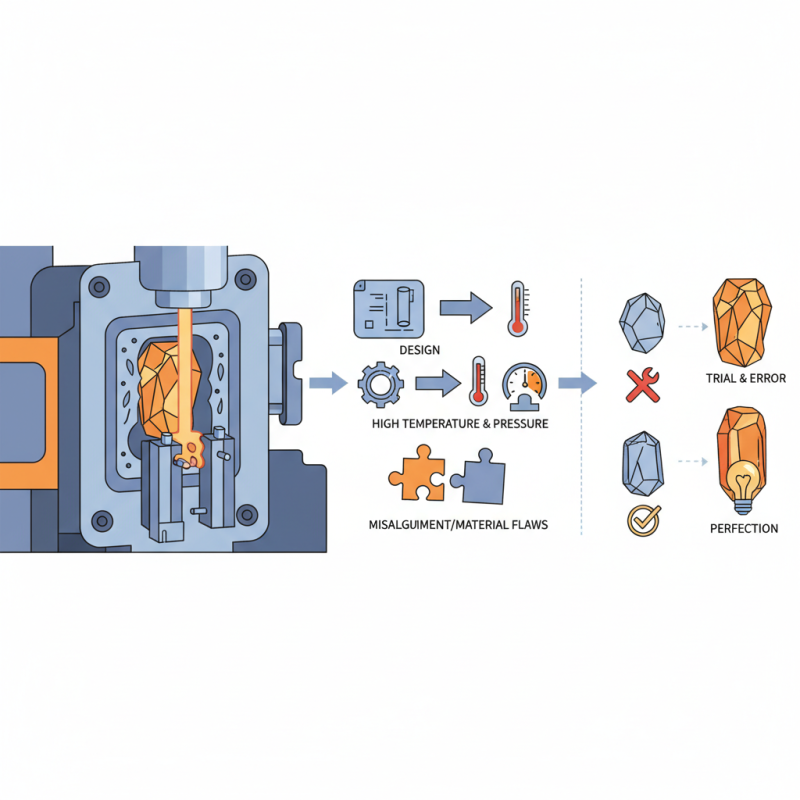
The design of a mould insert is crucial. It must withstand high temperatures and pressures. Each insert is tailored to create specific features in a product. This customization leads to better outcomes, but it can also result in pitfalls if not executed correctly. Issues may arise, such as misalignments or material flaws, during the molding process.
In summary, mould inserts play a vital role in manufacturing. They define the shape and detail of molded items. Yet, achieving perfection often involves trial, error, and constant improvement. Embracing this complexity can lead to greater innovation in product design.
What is a Mould Insert?
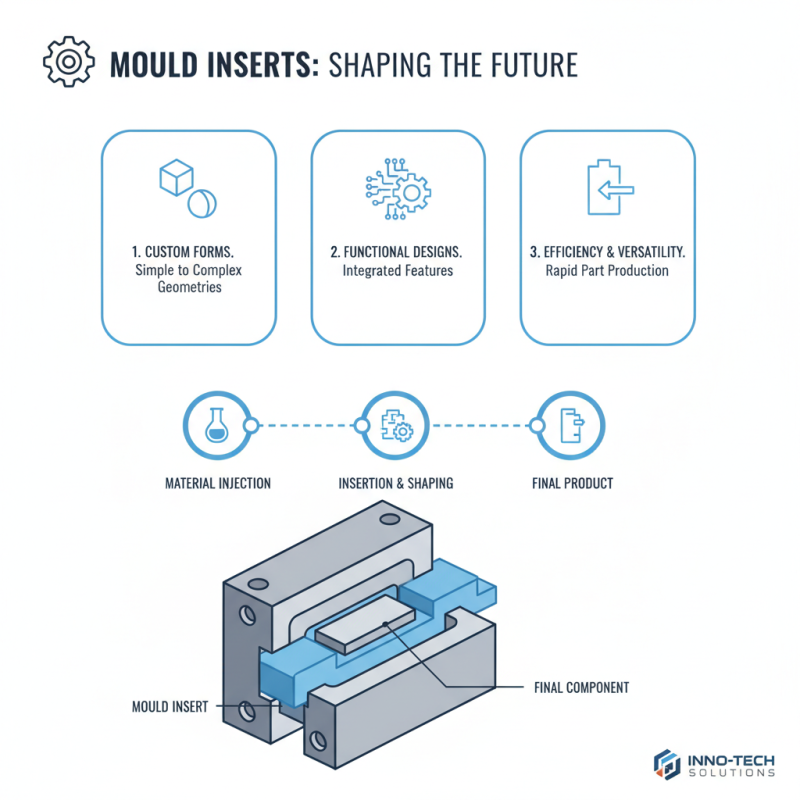
Mould inserts are essential components in the injection molding process. They create specific shapes or designs in the final product. An insert can be a simple geometric shape or a complex design. Their versatility allows manufacturers to produce parts efficiently.
Each mould insert is carefully crafted. They are made from various materials, such as steel or aluminum. These materials withstand high temperatures and pressures. The insert fits into the mould, shaping the molten plastic as it cools. Precision is crucial here. A slight misalignment can lead to defects. These imperfections may require scrapping or reworking parts.
The manufacturing process for inserts requires attention. Small mistakes can lead to bigger issues later. Proper maintenance is also vital. Without it, inserts can wear out and become unusable. This can slow down production, impacting efficiency. Regular checks and replacements are necessary. It’s a continuous cycle of production and reflection.
The Components of a Mould Insert
Mould inserts are vital in modern manufacturing. They help shape materials into desired forms. Each insert consists of several key components that work together seamlessly.
The core part of a mould insert is the cavity. This is where the material flows in. The design of the cavity directly impacts the final product's quality. Additionally, cooling channels are built into the insert. They ensure efficient temperature control during operation. According to industry reports, proper cooling can reduce cycle times by up to 25%.
Another essential component is the ejection system. This system aids in removing the finished part from the mould. The complexity and efficiency of ejection mechanisms can vary greatly. Some systems face challenges, especially with intricate designs. Additionally, the material used for the insert itself can affect longevity and maintainability. High-quality steel or aluminum can enhance performance but come with higher costs. Balancing performance with budget remains an ongoing challenge for manufacturers.
How Mould Inserts are Designed and Manufactured
Mould inserts are crucial in injection molding processes. Their design and manufacture require precision and expertise. Typically, mould inserts are produced using materials like hardened steel or aluminum. This selection depends on the type of product and production volume. Research shows that around 60% of manufacturers prefer steel for durability.
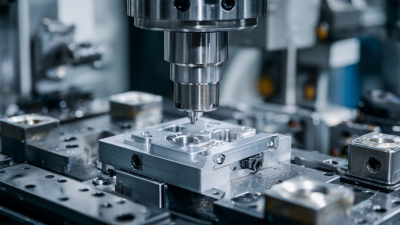
The manufacturing process often involves CNC machining, which ensures that mould inserts meet tight tolerances. This technology improves efficiency while reducing waste. A report from the Society of Plastics Engineers indicates that poorly designed inserts can lead to defects in molded parts. Defects can increase rework rates by up to 15%.
Designing a mould insert involves several steps. Engineers must consider cooling channels, ejection systems, and flow patterns. A miscalculation can lead to cooling inefficiencies. These mistakes may cause warping or uneven surface finishes. With continuous advancements in CAD software, the design process has become more accurate. However, human error remains a possibility. As the industry evolves, improving training for engineers could reduce such errors significantly.
The Process of Using Mould Inserts in Injection Moulding
Mould inserts are essential tools in the injection moulding process. They allow for the creation of intricate designs and details without a complete overhaul of the mould itself. The usage of mould inserts can enhance production efficiency and reduce costs. This technique involves inserting a specially crafted piece into the mould cavity, allowing for different shapes or features in the final product.
The process starts with designing the mould insert. Manufacturers carefully consider the dimensions and specific requirements. The next step involves creating the insert through machining or other techniques. Once fabricated, the insert is placed into the main mould. It must fit perfectly to avoid defects during injection. If the fit is off, it can lead to a range of issues, from poor surface finish to incorrect dimensions.
During the injection phase, molten material flows around the insert. This requires precise temperature controls and timing. Monitoring is essential, as any delay might cause defects. After cooling, the mould opens, and the final product reveals the intricate details made possible by the insert. However, this process has its challenges. Each new design requires careful testing and refinement. Mistakes can happen, resulting in wasted materials and time. Continuous improvement in design and execution is crucial for maximizing effectiveness.
Benefits and Applications of Mould Inserts in Manufacturing
Mould inserts are essential components in manufacturing. They enhance the efficiency and versatility of molds. These inserts allow for complex designs and improved production cycles. According to a recent industry report, the global moulding insert market is expected to reach $1.2 billion by 2025, reflecting a growing demand.
One major benefit of mould inserts is cost reduction. They enable manufacturers to produce parts with minimal waste. This approach is especially vital in today’s eco-conscious environment. Reports indicate that companies using mould inserts reduce material waste by up to 30%. This not only cuts costs but also minimizes environmental impact.
Another application is in the automotive industry. Mould inserts can create intricate parts that meet stringent safety standards. However, challenges exist. The precise alignment of inserts is crucial for quality output. Poorly fitted inserts can lead to defects. Ensuring quality control requires extra attention. Despite these hurdles, the advantages often outweigh the drawbacks in many manufacturing scenarios.
Benefits of Mould Inserts in Manufacturing