Top Quality HSS Punches for Global Buyers in 2026?
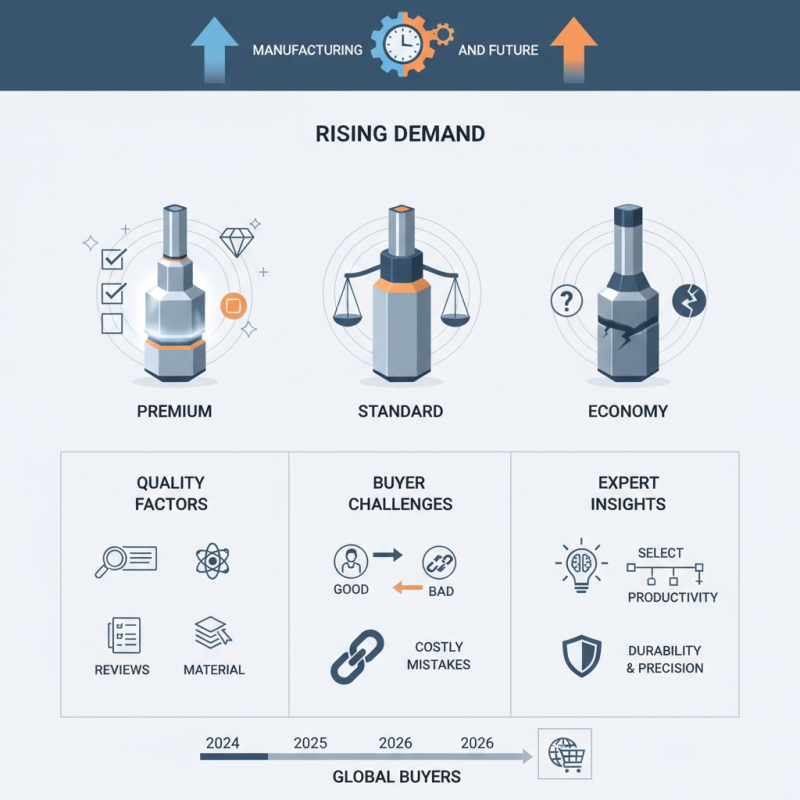
In the competitive landscape of manufacturing, the demand for high-quality HSS punches is on the rise. These tools serve a vital role in various industries, offering durability and precision. Their ability to punch clean holes in metal, plastic, and wood makes them invaluable.
As we look towards 2026, global buyers are seeking the best HSS punches available. However, not all brands meet the high standards expected. It's crucial for buyers to understand the differences in quality among manufacturers. Selecting the right punch can significantly impact productivity and efficiency.
However, buyers often face challenges in distinguishing top-tier products from lower-quality options. Reviews, certifications, and material quality can guide their decisions. A thorough evaluation is necessary to avoid costly mistakes. Expert insights will enhance the selection process, ensuring the right HSS punches are chosen for specific needs.
Top Market Trends in HSS Punch Manufacturing for 2026
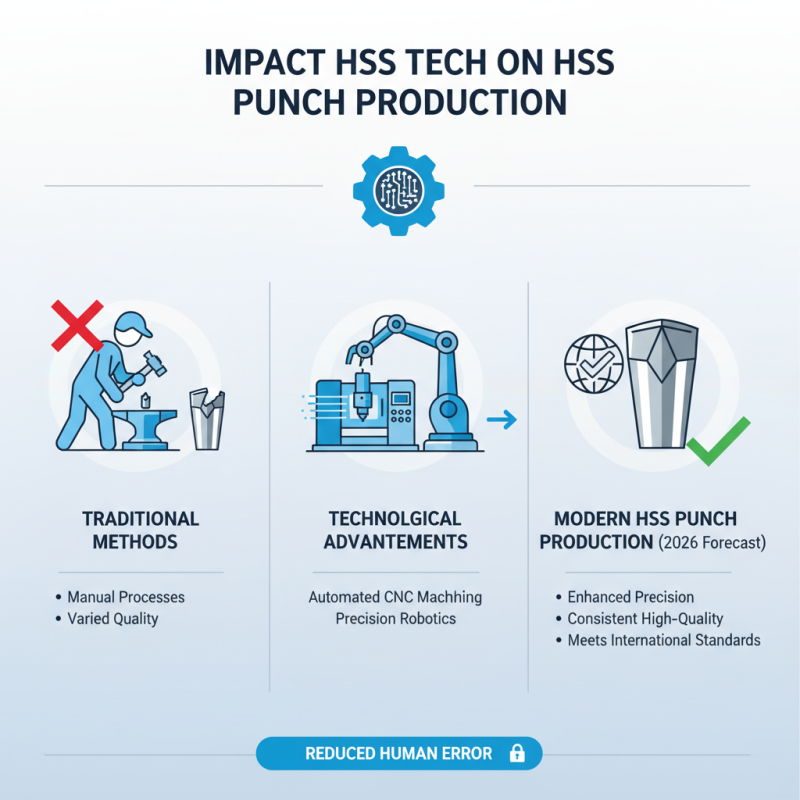
The manufacturing landscape for HSS (High-Speed Steel) punches is evolving rapidly. In 2026, innovation will play a crucial role in meeting the diverse needs of global markets. Manufacturers must adapt to new materials and techniques to enhance punch durability and performance. This shift includes the integration of advanced technologies, such as automation and precision machining, which can significantly improve production efficiency.
Sustainability is also becoming a vital trend in the industry. Buyers are increasingly demanding eco-friendly manufacturing processes. Companies focused on reducing waste and using recyclable materials will likely gain a competitive edge. However, achieving sustainable practices can be challenging and requires ongoing reflection on existing methods.
Moreover, the global market will see a rise in customization. Different industries require specific punch designs and functionalities. Manufacturers should remain agile to cater to these unique demands. While customization can increase complexity, it presents an opportunity for innovation and differentiation. Balancing quality with cost will be essential.
Key Specifications and Performance Metrics for High-Quality HSS Punches
When considering high-quality HSS punches, several key specifications stand out. The material itself plays a critical role. High-speed steel (HSS) ensures durability and effectiveness, suitable for demanding applications. A punch's hardness rating is essential; ideally, it should be above 60 HRC for optimal performance. This hardness directly impacts wear resistance and longevity.
Performance metrics should not be overlooked. A well-engineered punch will demonstrate consistent cutting abilities and minimal deformation under stress. The design of the punch's tip can significantly affect precision. A tapered tip often allows for smoother entry into materials. However, achieving the right balance in tip geometry can be challenging.
Another aspect to consider is heat treatment. Proper heat treatment enhances toughness and strength. However, over-treatment could lead to brittleness. Each buyer should reflect on their specific needs and the materials they often work with. This insight can guide the selection process for the ideal punch.
Analysis of the Global Demand and Supply Dynamics for HSS Punches
The global market for HSS (High-Speed Steel) punches is evolving significantly. By 2026, demand is expected to grow due to various factors. The manufacturing sector is increasingly relying on automated solutions, which boosts the need for high-quality punching tools. According to industry reports, the market size for HSS punches is projected to reach $1.2 billion by 2026, with a compound annual growth rate (CAGR) of 5.5%.
Supply dynamics are equally interesting. Major manufacturing hubs like China and Germany are ramping up production. However, challenges such as raw material shortages and fluctuating costs could impact overall supply. Awareness of these issues is crucial for global buyers. The ability to anticipate market shifts will be vital in securing reliable supplies at optimal prices.
Tip 1: Stay updated on material costs. Regular updates on market trends can provide insights into future price movements for HSS punches.
Despite advancements in manufacturing processes, inconsistency in product quality persists. Buyers should focus on suppliers known for stringent quality control measures. Quality assurance is indispensable when purchasing HSS punches, as subpar products can lead to costly downtime.
Tip 2: Develop strategic partnerships with reliable suppliers. This can help address supply chain challenges effectively, maintaining production efficiency.
Cost Factors and Pricing Strategies in the HSS Punch Industry for 2026
The HSS punch industry is evolving rapidly. In 2026, cost factors will play a significant role in this evolution. Buyers will need to navigate fluctuating raw material prices. Steel and manufacturing costs affect overall pricing. Collectively, these elements will shape purchasing decisions and impact profitability.
Quality assurance remains vital. Manufacturers must balance cost with performance to meet buyer expectations. Premium products often command higher prices but also deliver superior results. However, not all buyers can afford top-tier options. This creates a market for mid-range products that offer value without sacrificing too much quality.
Competition among suppliers is increasing. As more players enter the market, pricing strategies will vary widely. Some may focus on low-cost production, while others emphasize innovation and durability. Buyers should critically evaluate their options. They need to consider not just the price but the long-term value of the products. This intricate balance will define success in the HSS punch market for years to come.