Essential Tips for Effective Mould Die Design Techniques?
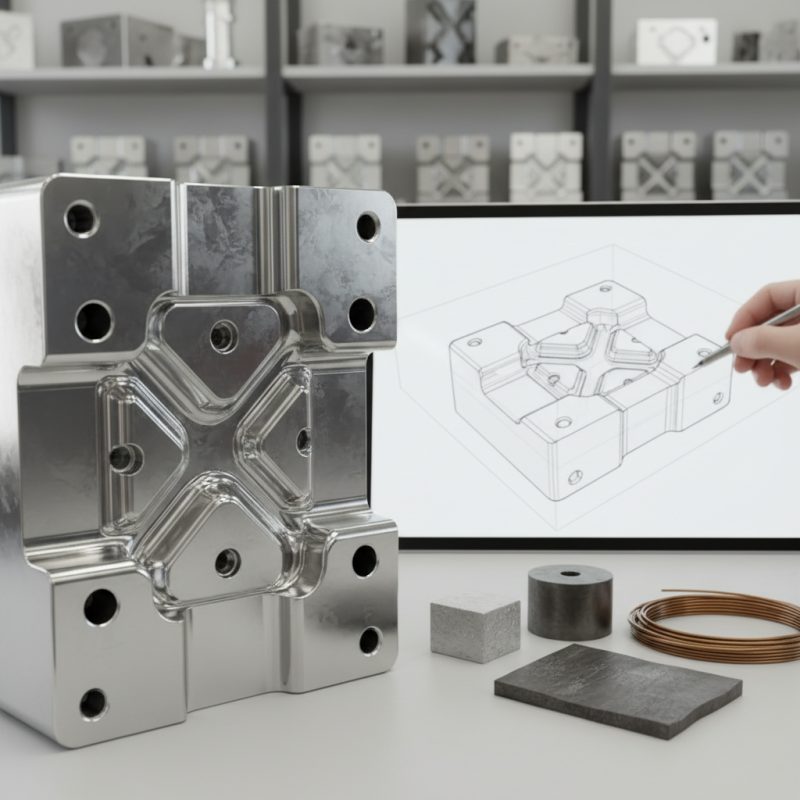
Mould Die Design is a critical aspect of manufacturing. It impacts product quality and production efficiency. Effective design techniques can significantly enhance the overall process.
Understanding material selection is vital. Different materials yield various outcomes. Designers often struggle with balancing strength and cost. This area requires careful consideration. Overlooking material properties can lead to costly mistakes.
Moreover, precision in design is non-negotiable. Small errors can result in defects. Designers should utilize modern software for accuracy. However, reliance on technology can sometimes compromise creativity. The best designs often come from a mix of technology and human insight. Reflecting on past designs can reveal areas for improvement, making this process ongoing.
Understanding the Basics of Mould Die Design Techniques
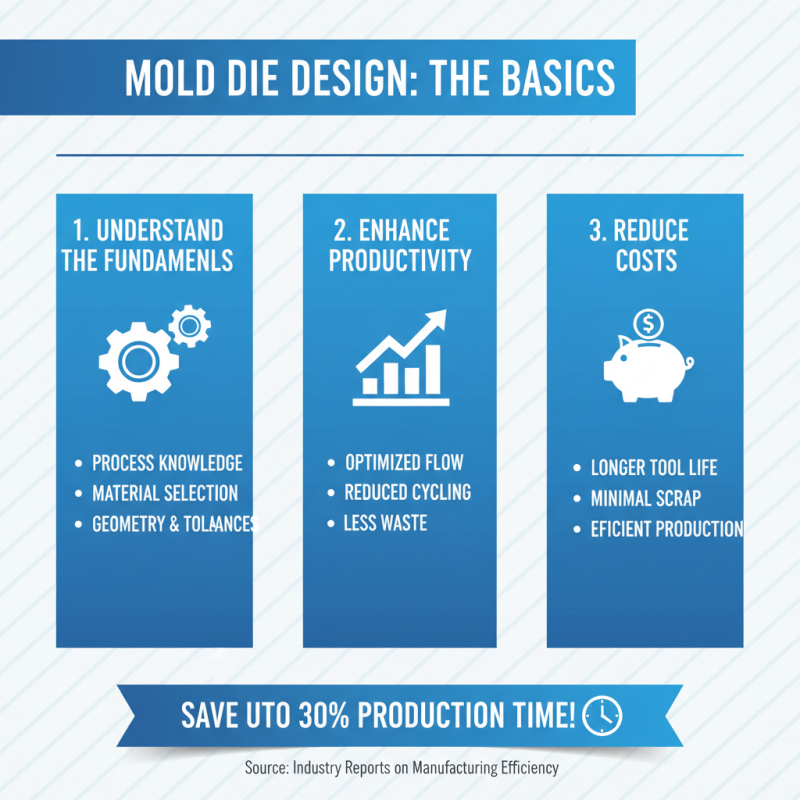
Mould die design techniques are crucial in manufacturing. Understanding the basics is the first step. A well-designed mould die can enhance productivity and reduce costs. Reports indicate that effective mould die design can reduce production time by up to 30%. This statistic highlights the importance of design in industrial processes.
The core elements of mould die design include material selection and geometrical considerations. Engineers must choose materials that can withstand high-stress conditions. However, achieving the perfect balance is not always easy. Even experienced designers may struggle with material properties. Poor choices can lead to premature wear or defects in the final product.
Geometrical precision is another critical aspect. Achieving tight tolerances can be challenging. Industries often report that 25% of moulds require adjustments after initial production runs. This not only delays timelines but also escalates costs. Designers must constantly reflect on these challenges to improve their techniques and outcomes in future projects.
Key Principles for Designing Mould Dies Effectively
When designing mould dies, key principles can significantly enhance your efficiency and effectiveness. Begin with understanding the material you plan to use. Each material has unique properties that influence temperature, pressure, and cooling times. Mould dies made of different materials can behave unexpectedly. It’s essential to conduct tests and gather data early in the design phase.
Another critical principle is precision in tolerances. Tolerances that are too loose may lead to poor fitting parts, while tight tolerances can increase costs. Balancing these is crucial. Utilize advanced programming software for designing. However, depending solely on software can be misleading. Always verify designs with real-world prototypes. These prototypes reveal adjustments that software alone might overlook.
Cooling systems play an essential role. A well-designed cooling system improves cycle times and product quality. Inadequate cooling, on the other hand, can cause defects or warping. Consider the flow patterns carefully. Poor circulation leads to uneven cooling. Design adjustments are often necessary, and it’s important to remain flexible during this process. Embrace feedback and learn from initial mistakes. Continuous reflection on your design outcomes fosters improved future projects.
Material Selection Considerations for Mould Die Production
When it comes to mould die production,
material selection is critical.
The right materials can enhance durability and precision.
Metal, for example, is popular for its strength.
However, it can be costly and heavy.
It's essential to weigh these factors against your project requirements.
Consider thermoplastics for lighter applications.
They can reduce production time and costs.
However, they may not offer the same durability as metals.
Evaluate the end-use of the product to make informed decisions.
Before finalizing your choice, conduct thorough testing.
Try different combinations.
This may lead to unexpected results.
Keeping an open mind can reveal new possibilities.
Engaging with industry experts can provide valuable insights.
Don't underestimate their experience—sometimes it can save you time and resources.
Common Challenges in Mould Die Design and Solutions
Mould die design often presents several challenges. Designers must consider precision and durability. However, common issues include poor fit and uneven wear. These problems can lead to production delays and waste.
One significant challenge is achieving the desired surface finish. A rough surface can affect the final product's quality. Designers should focus on optimizing the machining process. Choosing the right materials is crucial in this scenario. It may require multiple tests to find the best combination.
Another challenge arises during the cooling phase. Inefficient cooling can cause warping. A well-planned cooling channel can prevent these issues. Design iterations may seem tedious but are necessary. Reflection on previous designs helps identify persistent flaws. Learning from these mistakes ultimately leads to improved outcomes.
Best Practices for Testing and Refining Mould Die Designs
Testing and refining mould die designs is a crucial step in the manufacturing process. Start by creating prototypes. These prototypes allow for hands-on evaluation. You can identify flaws early. For instance, inconsistencies in size or shape often emerge during initial tests. Document these findings for future reference.
Next, conduct rigorous performance testing. Observe how the die reacts under real working conditions. Pay attention to any deformation or wear. Even minor issues can lead to significant production delays. It’s essential to reevaluate the design based on these results. Sometimes, unexpected failures may reveal areas that require redesigning.
Feedback is invaluable. Collaborate with engineers and operators to gather insights. This team-based approach often uncovers blind spots. Don't hesitate to iterate multiple times. It's common to find that the first few designs are not perfect. Each revision can lead to improvements. Keep each aspect in mind as the design evolves, ensuring a more reliable final product.