What is Edm Parts and How Do They Work in Modern Manufacturing?
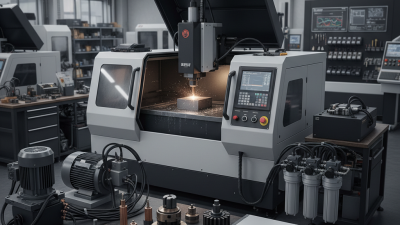
In modern manufacturing, EDM parts play a crucial role. EDM, or Electrical Discharge Machining, utilizes precise electrical discharges to shape various materials. This process allows for the creation of complex geometries that traditional machining methods struggle to achieve. According to John Smith, an expert in the EDM industry, “EDM parts are essential for precision engineering and innovation.”
These parts are widely used in aerospace, automotive, and medical fields. Their ability to work with hard materials makes them invaluable. For instance, EDM parts can shape intricate molds and dies with a level of accuracy that is hard to match. However, a common challenge lies in the maintenance and calibration of EDM machines. Incorrect settings can lead to inefficiencies or defects.
Understanding how EDM parts function is critical for manufacturers aiming for excellence. They promise high precision but require a deep knowledge of their capabilities. As industries evolve, the demand for EDM technology continues to grow. The future will rely on experts who can harness the full potential of EDM parts while addressing ongoing challenges in this dynamic field.
What Are EDM Parts and Their Significance in Manufacturing?
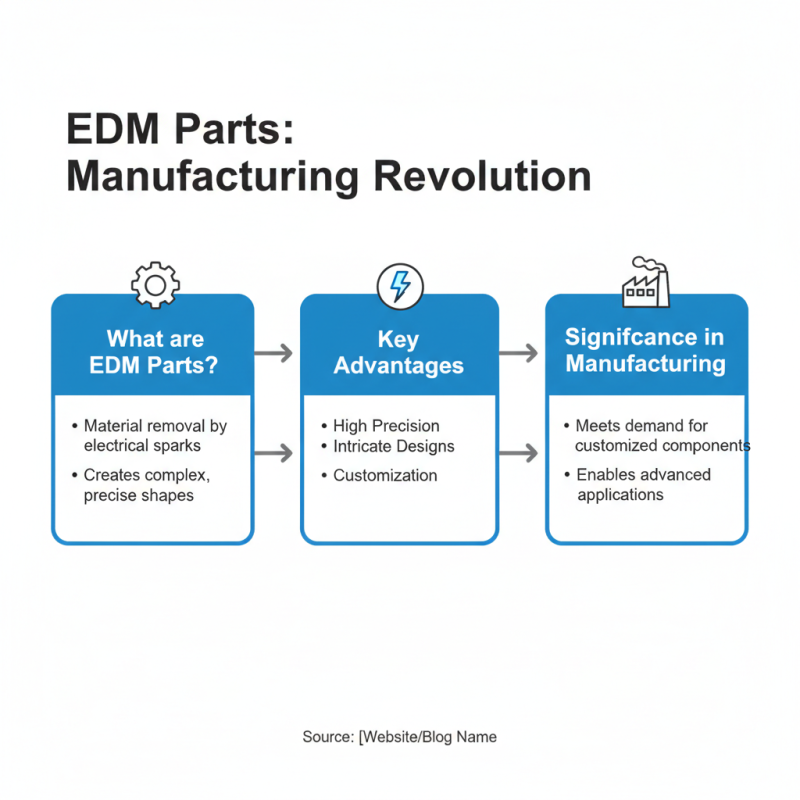
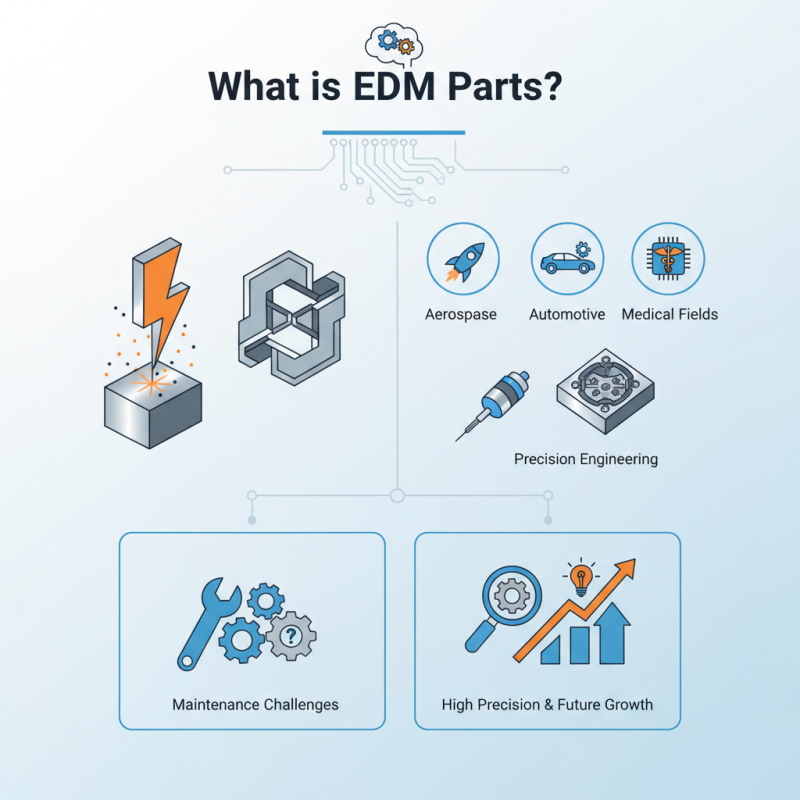
EDM parts, or Electrical Discharge Machining parts, play a crucial role in modern manufacturing. These components are made using a unique process that involves removing material through electrical sparks. This technique allows for high precision and intricate shapes, which traditional machining methods struggle to achieve. As industries demand more customized parts, EDM provides a solution that meets these requirements effectively.
The significance of EDM parts lies in their ability to produce complex geometries. For example, they are essential in creating molds for injection molding or intricate dies for stamping. With a focus on precision engineering, manufacturers can reduce wastage and enhance productivity. However, reliance on EDM can lead to challenges. The process requires skilled operators and can be time-consuming. Additionally, the setup costs may be higher than other machining methods.
Despite these hurdles, the benefits of EDM parts are evident. They maintain tight tolerances and finish quality, essential in fields like aerospace and medical device manufacturing. As technology evolves, EDM's role will likely expand, pushing the boundaries of what’s possible in product design and engineering. Understanding these dynamics is vital for any manufacturing entity looking to stay competitive in today's rapid-paced market.
The Fundamental Principles of Electrical Discharge Machining (EDM)
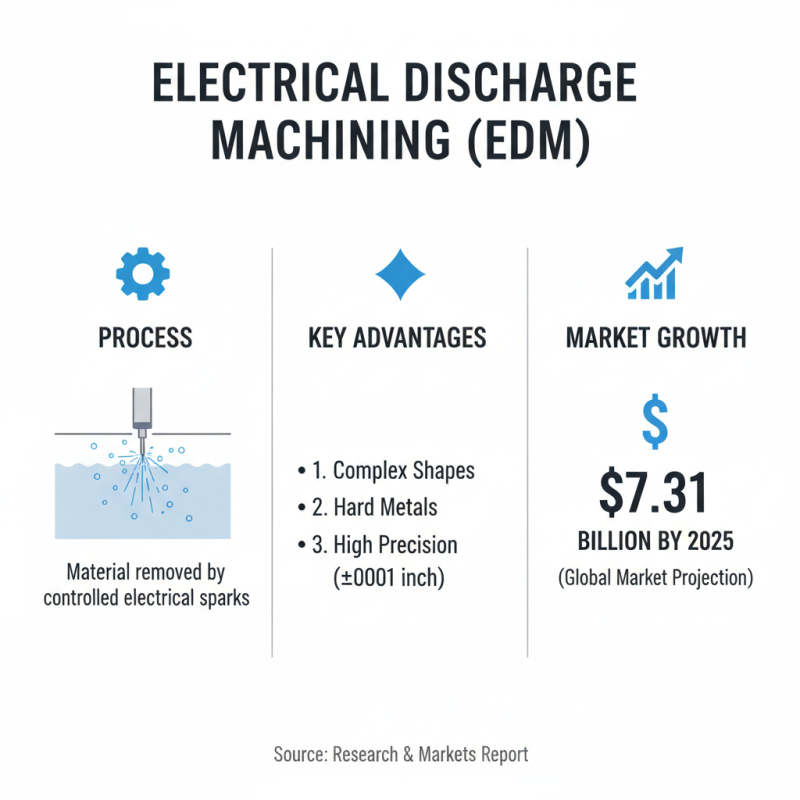
Electrical Discharge Machining (EDM) is a precise manufacturing technique. It utilizes electrical discharges to erode material from a workpiece. This method excels in creating complex shapes in hard metals, often achieving tolerances as tight as 0.001 inches. According to a recent industry report by Research and Markets, the EDM market is projected to reach $7.31 billion by 2025, showcasing its growing significance.
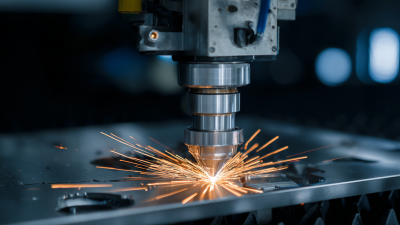
The fundamental principle behind EDM is the controlled erosion of materials. Electrodes made of conductive materials deliver rapid electrical pulses, creating high-temperature plasma. This plasma melts and vaporizes the surface of the workpiece. The process generates minimal thermal distortion, making it suitable for delicate components. However, challenges remain. Electrode wear can affect precision, requiring careful monitoring during machining.
EDM's versatility is notable. It can machine various materials, including hardened steel, titanium, and even exotic alloys. The technology's adoption is reflected in a 30% increase in demand noted over the last five years. However, it may not be the best choice for mass production due to longer cycle times. The need for skilled operators also raises concerns about accessibility in the workforce.
Types of EDM Parts and Their Applications in Various Industries
Electrical Discharge Machining (EDM) plays a crucial role in modern manufacturing. Different types of EDM parts cater to various applications across industries. For instance, electrode parts are essential in creating precise components for aerospace and automotive sectors. These electrodes are made from conductive materials and are designed to withstand high temperatures and pressure.
In the medical industry, EDM is used to manufacture surgical instruments. The process ensures that instruments have sharp edges and intricate designs. The ability to create complex shapes helps in enhancing the effectiveness of these tools.
However, there are challenges. Not every material is suitable for EDM, which can limit production options.
Another application is in the production of molds for plastic injection. EDM parts help in achieving fine details that traditional machining might miss. This precision is vital for product quality. On the downside, the EDM process can be time-consuming and costly. Manufacturers need to balance speed and quality to remain competitive. Understanding these nuances is key to leveraging EDM effectively in various industries.
The Process of Creating EDM Parts: Techniques and Technologies
Electrical Discharge Machining (EDM) is a fascinating technique widely used in modern manufacturing. The creation of EDM parts involves several advanced techniques and technologies, making it a preferred choice for precision engineering. This process utilizes electrical discharges to shape materials, mainly metals. According to recent market data, the EDM market reached a value of approximately $7 billion in 2022 and is expected to grow at a compound annual growth rate of around 7% through 2028.
One popular method in EDM is the sinker EDM, which employs a specially designed electrode. This electrode is shaped to the desired geometry, making it ideal for complex shapes. On the other hand, wire EDM is used for cutting. It involves a thin wire that guides the electrical discharges, allowing for intricate cuttings. A key benefit of EDM is its ability to create tight tolerances and detailed features, critical in aerospace and medical sectors. However, the initial setup costs can be significant.
Tip: When considering EDM processes, evaluate the complexity of your designs. Start with simpler shapes to optimize the learning curve. Also, look at different electrode materials. Copper and graphite are common choices, each influencing machining efficiency and surface finishes. Balancing cost and precision is essential for successful EDM part production.
EDM Parts Production Techniques
This chart illustrates the production volume of different EDM parts creation techniques used in modern manufacturing. Each technique represents a specific method employed to produce precision components with high accuracy.
The Future of EDM Parts in Advanced Manufacturing Solutions
EDM, or Electrical Discharge Machining, has transformed modern manufacturing. The process uses electrical discharges to shape and cut various materials. EDM parts are essential in industries requiring precision, such as aerospace and automotive sectors. These parts are known for their exceptional accuracy and ability to create complex geometries.
As manufacturing becomes more advanced, the role of EDM parts is expanding. New technologies improve efficiency and reduce waste. Automation plays a crucial role in this evolution. With fewer human errors and faster production times, companies can enhance their competitive edge.
Tips for optimizing EDM applications include regular maintenance of machines. This ensures consistent performance. Furthermore, understanding material properties helps select the right EDM technique. Always consider the environment where machines operate. Factors like temperature and humidity can affect outcomes.
The future of EDM parts looks promising. Innovations in software and monitoring will enhance precision further. However, challenges remain. The cost of advanced machines can be high. Smaller manufacturers may struggle to keep up. Exploring collaborative approaches could be key to overcoming these barriers. Continuous learning and adaptation are vital for success in this dynamic field.