Top Cold Punching Techniques for Efficient Manufacturing Solutions?
In the ever-evolving world of manufacturing, efficiency is key. Cold punching has emerged as a critical technique in this domain. This process uses a high-force impact to shape materials without the application of heat. It offers precision and speed, making it ideal for various applications.
Modern factories are increasingly adopting cold punching methods to meet production demands. However, some challenges linger. Inconsistent material quality can lead to defects. Additionally, operator skill levels vary, impacting the final product.
Yet, the advantages of cold punching often outweigh the downsides. Its ability to create complex shapes with minimal waste is compelling. Companies must embrace innovative techniques to harness the full potential of cold punching for efficient manufacturing solutions. The journey may not be flawless, but the pursuit of excellence in this technique is worth the effort.
Introduction to Cold Punching in Manufacturing
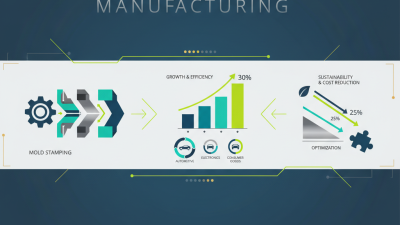
Cold punching is a vital technique in modern manufacturing. This process involves using a punch and die to shape materials without heating them. It offers several advantages over traditional methods. According to a recent industry report, about 30% of manufacturing costs can be reduced through cold punching.
The efficiency of cold punching lies in its ability to produce precise parts quickly. In fact, cold punching can achieve tolerances of +/- 0.01 mm. This level of precision is essential in sectors like automotive and aerospace. However, not every material responds well to this technique. Some materials may deform unexpectedly, leading to waste.
Furthermore, cold punching can result in a higher rate of tool wear than anticipated. Regular maintenance is key. Investing in the right tools can mitigate these issues. Despite its benefits, manufacturers must adapt to variable material qualities. Balancing cost and quality remains a challenge. As the industry evolves, continuous monitoring of the cold punching process is necessary for improvement.
Key Principles of Cold Punching Techniques
Cold punching techniques have become essential in modern manufacturing. These techniques focus on precise metal forming methods. The key principles include material flow control, punch design, and tooling integration. According to a recent industry report, efficient cold punching can enhance production rates by up to 25%. This improvement is critical for maintaining competitive advantages.
Effective cold punching relies on the right die and punch alignment. The precision of the tools significantly impacts the quality of the final product. Misalignment can lead to defects and increased waste. Investigating tooling setups often reveals areas for improvement. Some manufacturers report that even minor adjustments may result in up to a 10% efficiency boost.
Material selection plays a vital role as well. Using appropriate alloys can enhance the process. However, complex materials may present challenges. A notable percentage of manufacturers face difficulties in processing these advanced materials. They must adapt their techniques or invest in better tools. It’s crucial to continually assess these aspects for ongoing efficiency.
Advantages of Cold Punching Over Traditional Methods
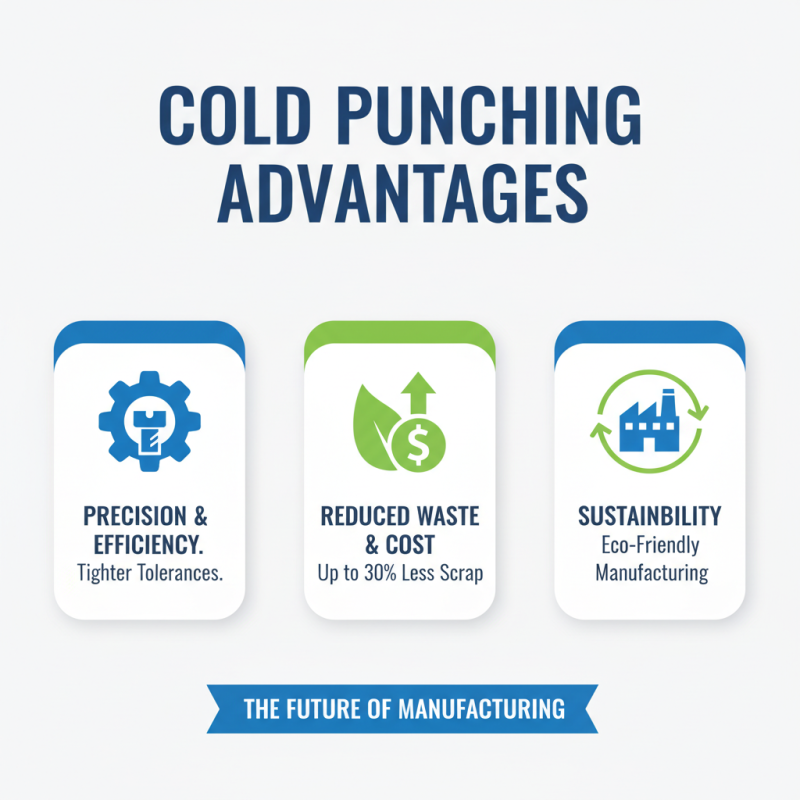
Cold punching is gaining traction in manufacturing due to several key advantages over traditional methods. It offers precision and reduced material waste, which are critical for efficient production. A recent industry report indicated that cold punching can reduce material scrap rates by up to 30%. This is vital for manufacturers focused on sustainability and cost-effectiveness.
Moreover, cold punching requires less energy compared to conventional techniques. According to a study by the Manufacturing Energy Consumption Survey, cold punching processes can lower energy expenditure by approximately 20%. This reduction not only decreases operational costs but also diminishes the carbon footprint. However, some companies may struggle with the upfront investment in cold punching machinery, which requires careful financial planning and assessment.
Precision is another highlighted benefit of cold punching. It often results in tighter tolerances and superior finishes. Yet, achieving this level of precision can be a challenge. Operators need to be highly skilled, and training them can add to initial costs. In some cases, companies may find that their existing workforce struggles to adapt immediately to these sophisticated techniques. Balancing skill development with production needs remains a focal point for organizations looking to improve manufacturing efficiency.
Step-by-Step Guide to Implementing Cold Punching Solutions
Cold punching is gaining traction as a manufacturing solution. It effectively shapes metals and reduces waste. This technique improves efficiency and minimizes operational costs. A recent report highlighted that cold punching can lower production costs by 30% compared to traditional methods.
Implementing cold punching involves several steps. Start with selecting the right material. Steel and aluminum are popular choices due to their malleability. Ensure your machinery can handle the specific tolerances required. Proper tooling is crucial to avoid errors. Adjustments may be necessary during the process to address defects. Monitoring production closely can identify areas needing improvement.
Training staff is essential for success. Skilled operators can improve quality and reduce downtime. According to industry experts, well-trained teams increase production output by 20%. Regular assessments of the process are vital. Identifying inefficiencies can lead to significant gains. Embracing cold punching offers numerous benefits but requires continuous reflection and adaptation.
Top Cold Punching Techniques for Efficient Manufacturing Solutions
Future Trends and Innovations in Cold Punching Technology
The world of cold punching technology is rapidly evolving. Innovations are enhancing efficiency and precision. Manufacturers are exploring advanced materials. These developments push the limits of traditional techniques.
Tips: Focus on automation. It reduces human errors. Train staff on new tools. Proper training improves productivity.
Future trends include smart systems. They integrate data analysis for better decision-making. Incorporating AI can streamline operations. However, not all apps fit every scenario. Customization is essential for effectiveness.
Sustainability is another key trend. Eco-friendly materials are gaining traction. Companies are urged to rethink waste management. This requires careful assessment of production processes. Adapting to change is often challenging. Emphasizing innovation can lead to breakthroughs.
Top Cold Punching Techniques for Efficient Manufacturing Solutions - Future Trends and Innovations in Cold Punching Technology
| Technique |
Material Type |
Thickness Range (mm) |
Applications |
Innovations |
| Hydraulic Punching |
Steel |
0.5 - 10 |
Construction, Automotive |
Smart sensors for monitoring |
| Mechanical Punching |
Aluminum |
0.5 - 5 |
Aerospace, Electronics |
Energy-efficient drives |
| Laser Punching |
Stainless Steel |
0.1 - 3 |
Medical Devices, Consumer Goods |
Increased automation |
| CNC Punching |
Copper |
0.3 - 8 |
Electrical Components, HVAC |
Advanced software integration |
| Die Punching |
Carbon Steel |
1 - 15 |
Heavy Machinery, Industrial |
High-speed processing techniques |