How to Choose the Right Precision CNC Machine for Your Needs?
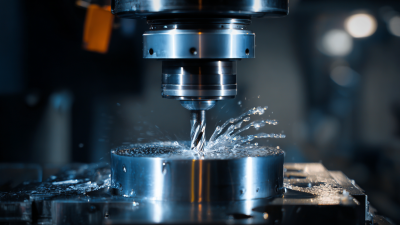
Choosing the right precision CNC machine can significantly impact your production quality. With various options available, understanding their features is crucial. Precision CNC machines offer versatility and accuracy for complex tasks.
Evaluating your specific needs can be challenging and requires careful thought. Consider factors such as the materials you'll work with and the type of precision required. Engage with experts to gain insights into different technologies. Their advice may help you avoid costly mistakes.
Remember, not every machine will suit your requirements perfectly. Some factors may seem less critical now but can affect your outcomes later. Continuous learning about machine specifications can enhance your decision-making process. Strive for a precise match between your needs and the capabilities of the CNC machine.
Understanding the Basics of CNC Machines and Precision Engineering
CNC machines are essential tools in precision engineering. Their role is pivotal in manufacturing processes. Understanding the basics is vital when choosing a CNC machine. Precision CNC machines can operate within tolerances of ±0.001 inches, making them critical for industries like aerospace and automotive. According to a recent industry report, the global CNC machine market is set to reach $100 billion by 2025. This growth reflects increasing demand for precision in production.
Selecting the right machine involves evaluating your specific requirements. Consider factors such as the materials you’ll work with and the complexity of your designs. For example, a machine that works well with metals may not perform as effectively with plastics. It’s worth noting that about 30% of manufacturers report difficulties in scaling their operations due to machine limitations.
While modern CNC machines offer automation and efficiency, they also come with challenges. Issues like software compatibility and training can lead to inefficiencies. Some reports indicate that approximately 20% of small and medium enterprises struggle with this adaptation. Investing time in training staff is as important as the machine selection itself. A well-rounded understanding ensures you choose a machine that truly meets your needs.
How to Choose the Right Precision CNC Machine for Your Needs?
| Dimension |
Value |
Description |
| Type of Machine |
Vertical CNC |
Best for milling operations. |
| Working Area |
500 x 300 mm |
Space available for machining parts. |
| Spindle Speed |
24000 RPM |
Speed at which the spindle rotates. |
| Accuracy |
±0.01 mm |
Precision level of the machine. |
| Control System |
G-code |
Programming language used for CNC machines. |
| Tool Compatibility |
Standard ISO Tools |
Types of tools that can be used with the machine. |
| Material Types |
Aluminum, Steel, Plastic |
Materials suitable for machining. |
| Price Range |
$20,000 - $100,000 |
Expected price for a precision CNC machine. |
Identifying Your Specific Requirements for CNC Machining Tasks
When selecting a precision CNC machine, identifying your specific requirements is crucial. Consider the types of materials you will work with. Different machines have varying capabilities for metals, plastics, and composites. If you plan to machine harder materials, you’ll need a robust machine with high torque and power. It’s not just about having the newest equipment; it’s about matching your needs to the machine’s specifications.
Next, think about the complexity of the parts you’ll produce. Intricate designs may require advanced machining capabilities. Features like multi-axis operations and high-speed spindles can enhance production efficiency. However, remember that these options often come at a higher cost. Assessing the actual parts you intend to produce will highlight whether such features are necessary or if a more straightforward solution suffices.
Budget constraints can also influence your decision. A high-precision machine may not always be feasible. It’s tempting to go for the latest technology, but ensure it aligns with your project requirements. Balancing cost with capability can lead to difficult choices. Reflecting on what truly matters for your production environment ensures long-term effectiveness.
Evaluating Types of Precision CNC Machines Available in the Market
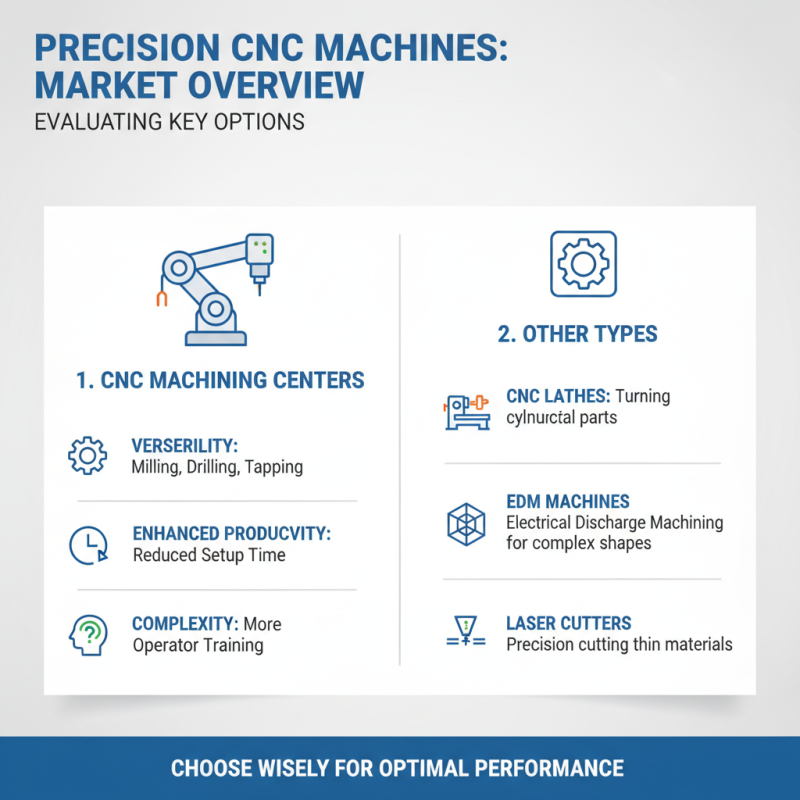
When evaluating types of precision CNC machines, it's essential to understand the key options available. CNC machining centers are popular for their versatility. They can handle milling, drilling, and tapping in one setup. This reduces setup time and enhances productivity. However, their complexity may require more training for operators.
Another option is CNC lathes, ideal for shaping cylindrical parts. These machines are often more user-friendly, making them suitable for smaller shops. Yet, their capabilities are limited compared to machining centers. Buyers should consider their product range. If producing a variety of shapes, a machining center may be better.
Integrated CNC systems are another avenue worth exploring. These systems offer automation, which can significantly boost efficiency. However, the initial investment can be substantial. Companies must weigh the long-term benefits against upfront costs. Selecting the right machine involves thorough evaluation and reflects unique needs. Each type of CNC machine has its strengths and weaknesses. Don’t rush the decision; reflect on your specific requirements.
Key Features to Consider When Selecting a CNC Machine
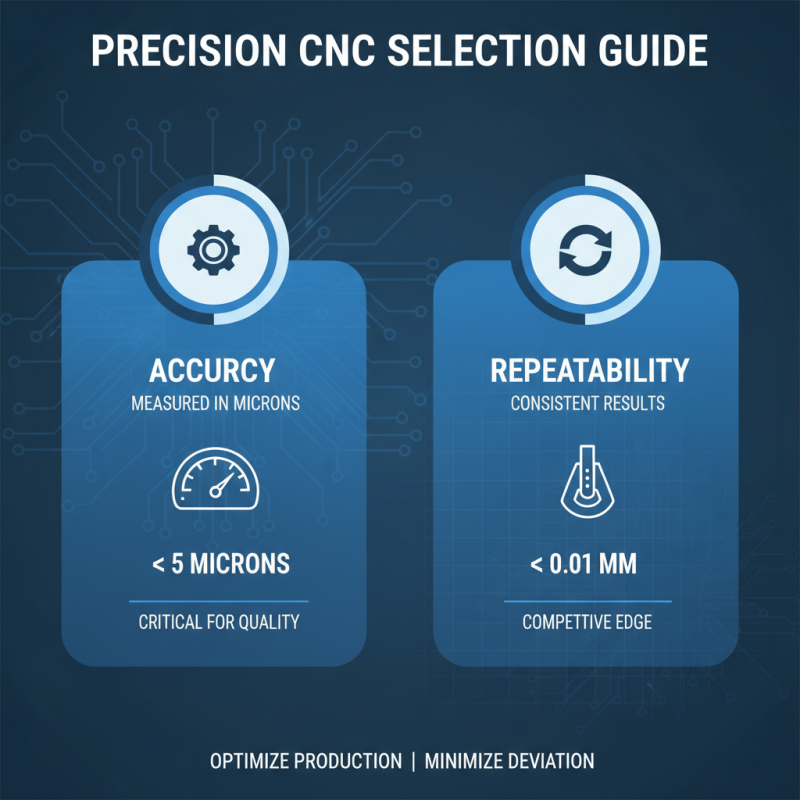
Selecting the right precision CNC machine is essential for achieving high-quality results in various industries. Key features play a crucial role in this process. Focus on the machine's accuracy, which is typically measured in microns. Reports indicate that a deviation within five microns can significantly affect production rates. Evaluate the machine's repeatability as well, as this metric indicates consistent results over time. A machine with a repeatability of 0.01mm offers a competitive edge for demanding tasks.
When considering CNC machines, pay attention to the spindle speed and power. Higher spindle speeds enable quicker operation, which can lead to increased efficiency. Data from the National Institute of Standards and Technology shows that a spindle speed of 20,000 RPM can cut cycle time by up to 30%. However, remember that higher speeds might require advanced cooling systems to prevent overheating.
Tips: Identify the materials you will process and choose a machine compatible with them. Assess your current and future production needs. Don't just settle for the most advanced model; often, a simpler machine can meet your requirements while staying within budget. Ultimately, it's vital to understand that investing in CNC technology isn't just about buying a machine; it's about enhancing your overall production capability while maintaining precision and reliability.
Budgeting and Cost Considerations for Your CNC Machine Purchase
When budgeting for a CNC machine, it's crucial to consider both upfront costs and long-term expenses. The initial purchase price may vary significantly based on the machine's precision and capabilities. A lower-priced model might seem attractive but could compromise on quality. This decision could lead to increased maintenance costs later on.
In addition to the purchase price, factor in operational costs. Tools, materials, and ongoing maintenance can add up quickly. Consider how often you'll be using the machine. A machine that operates efficiently can save you money over time. Sometimes, investing in a slightly more expensive model results in better durability and lower energy consumption.
Keep your specific needs in mind. A machine that meets your current requirements may not be suitable for future projects. Think about flexibility in your budget. Allow space for unexpected expenses that may arise after your purchase. Choosing a CNC machine is not just about the initial cost; it's about long-term value and sustainability in your operations.