How to Choose the Right Mould Insert for Your Project?
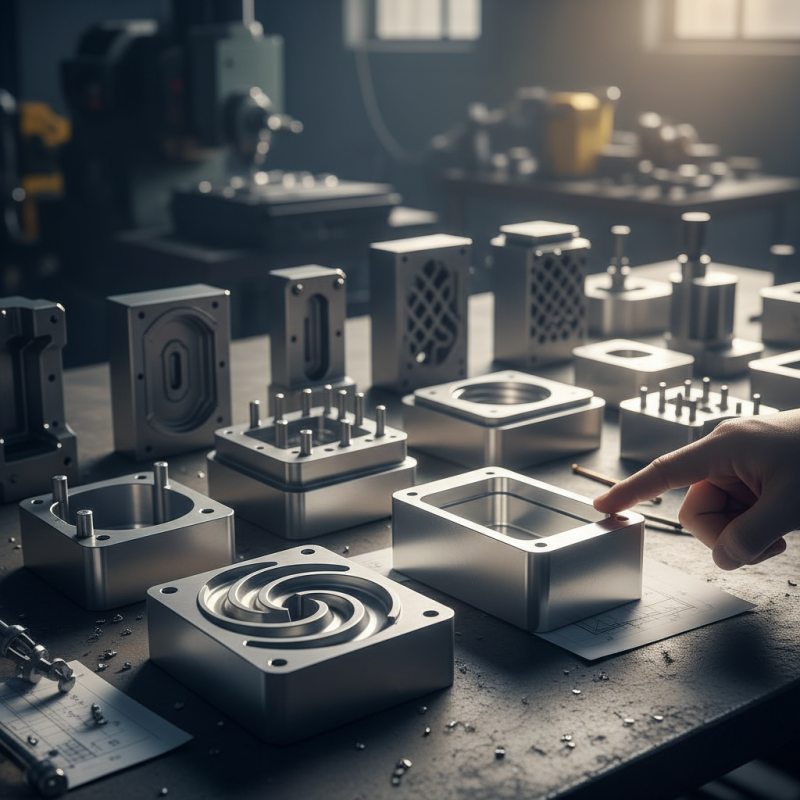
Choosing the right mould insert for your project is essential for achieving the desired results. Mould inserts play a crucial role in shaping the final product. Selecting the right type can be overwhelming due to the many options available. Each insert comes with its unique characteristics and applications.
Consider the material of the mould insert. Different materials, such as steel and aluminum, offer different durability and heat conductivity. The complexity of your design is another factor; some inserts may not suit intricate shapes. It's vital to ensure that the chosen insert aligns with your project's design requirements.
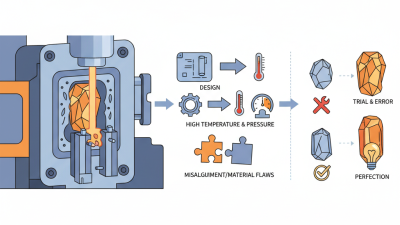
Mistakes in selection can lead to defects or costly delays. Even small errors can alter the final output. Reflecting on past projects may help in making a better choice this time. Understanding your specific needs will guide you in the right direction toward an effective mould insert selection.
Understanding Mould Inserts: Types and Materials
Mould inserts play a crucial role in the injection moulding process. They can significantly affect the product's quality and production efficiency. Understanding the various types and materials of mould inserts is essential for selecting the right one for your project. Reports indicate that over 70% of manufacturers see improved production rates when using high-quality mould inserts.
Common types of mould inserts include standard, custom, and multi-cavity designs. Standard inserts are typically used for basic shapes and sizes. Custom inserts offer flexibility for unique designs. Multi-cavity inserts allow for several identical parts in one cycle. Each type has distinct advantages, but choosing the wrong one can lead to complications. For instance, if a custom mould insert is used incorrectly, it might result in longer lead times or increased production costs.
Materials used in mould inserts range from steel to aluminum, with each having unique properties. Steel is known for its durability and ability to withstand high pressures, making it suitable for a broad range of applications. Aluminum, on the other hand, is lighter and offers quicker heat dissipation. This can speed up production cycles but may require more frequent replacements. An imbalance between material choice and project needs often leads to inefficiencies. Observing how materials perform under pressure can provide valuable insights for future projects.
How to Choose the Right Mould Insert for Your Project? - Understanding Mould Inserts: Types and Materials
| Type of Mould Insert |
Material |
Applications |
Advantages |
| Standard Inserts |
Steel |
General purpose, broad use in various industries |
Durable, good wear resistance |
| Precision Inserts |
Aluminum |
High-precision applications in automotive and aerospace |
Lightweight, excellent thermal conductivity |
| Complex Inserts |
Composite Materials |
Moulding intricate shapes and geometries |
High strength-to-weight ratio, customizable |
| Hot Runner Inserts |
Stainless Steel |
Injection moulding of thermoplastic materials |
Reduced cycle time, better control over melt flow |
Factors to Consider When Choosing a Mould Insert
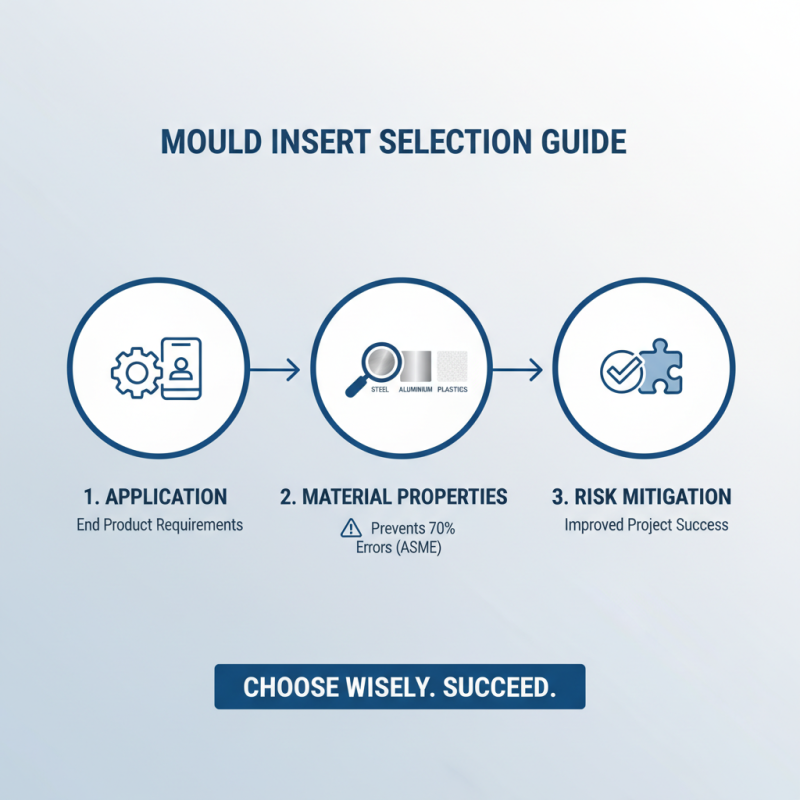
Choosing the right mould insert is crucial for project success. Consider the intended application first. A report from the American Society of Mechanical Engineers indicates that 70% of manufacturing errors stem from selecting inappropriate materials. Matching the insert’s material properties with the end product’s requirements can mitigate these risks. Common materials include steel, aluminum, and specialized plastics, each having unique benefits.
Think about the insert's complexity. Simplifying design can reduce costs. However, intricate designs may yield better functionality. According to industry data, complex moulds can increase initial costs by 30%, yet they often result in a 50% increase in end-product performance. It’s a balancing act that requires careful consideration. Additionally, reflect on the lead time. Faster manufacturing processes tend to favor less complex inserts, yet they may limit custom features.
Finally, don’t overlook the mould insert's lifespan. Reports suggest that high-quality inserts can provide up to 50% more cycles than lower-grade ones. Weighing upfront investment against long-term value is essential. While opting for cheaper options might seem tempting, it can lead to higher replacement costs and production downtime. Each factor deserves thorough evaluation to avoid costly mistakes down the line.
Assessing Project Requirements for Mould Insert Selection
Choosing the right mould insert is crucial for any project. Assessing your project requirements is the first step. Understand the intended use of the mould. What material will you use? Different materials demand different mould insert specifications. For example, thermoplastics and thermosets each have unique thermal characteristics and release properties.
Data suggests that 40% of defects arise from incorrect mould insert choices. This shows the importance of thoughtful selection. Consider factors like geometrical complexity and production volume. A complex design may require more sophisticated mould inserts, while simpler shapes can use standard ones.
Cost is another critical factor. High-quality inserts can be costly, but they often lead to fewer defects and higher overall efficiency. Research from industry reports indicates that using the right insert can reduce cycle times by up to 30%. Careful evaluation of these factors minimizes risks. There may be unforeseen challenges, such as wear and tear of the mould inserts over time. It’s vital to reflect on these points during your selection process.
Evaluating Cost vs. Performance in Mould Inserts
When evaluating cost versus performance in mould inserts, it’s crucial to balance your budget with desired quality. Lower-cost inserts might seem appealing, but they can lead to defects. These defects may increase production costs in the long run. Quality materials typically provide better durability and precision, ensuring fewer errors in the final product.
Consider this: A cheaper insert may save money upfront, yet it can compromise the integrity of the mould. Poor performance can necessitate more frequent replacements. Weighing these factors is essential. Conduct tests to measure the performance of different materials. This data can provide insights into longevity and stability.
**Tips:** Focus on the specific requirements for your project. Define your priorities clearly. Sometimes, spending slightly more can save you from headaches later. Always assess the application of the mould insert thoroughly. If it’s for a high-volume production, quality should take precedence over cost. Balancing price and performance requires careful consideration. Each project is unique, and the best choice may not be immediately obvious.
Cost vs. Performance of Mould Inserts
Best Practices for Maintenance and Longevity of Mould Inserts
Mould inserts require careful maintenance to ensure longevity. Regular inspections can prevent significant failures during production. According to industry reports, 70% of mould failures are due to inadequate maintenance. Keeping mould inserts clean can help extend their lifespan. Regularly removing debris or contaminants can prevent wear and tear.
Incorporating lubrication also plays a vital role. Appropriate lubrication can reduce friction, leading to a decrease in wear. Misjudging the type or frequency can lead to malfunction. It’s important to find a balance. Many operators forget that even minor scratches can contribute to major issues down the line.
Tracking usage hours can be beneficial. Research shows that inserts exposed to high usage rates may require more frequent checks. Ignoring this leads to oversight. Aging inserts may show performance degradation. Operators should keep a log of maintenance activities and inspections. Some may find this tedious, yet it pays off in the long run. Neglecting these practices could result in costly downtimes and replacements.