Why Choose Stamping Aluminum Sheet Metal for Your Projects?
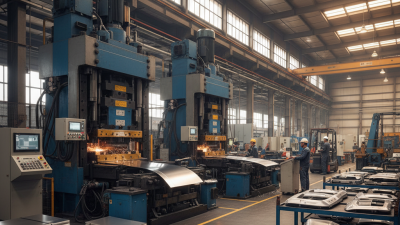
When considering materials for your next project, Stamping Aluminum Sheet Metal stands out. This versatile metal is widely recognized for its durability and lightweight properties. It is ideal for various applications, from automotive parts to household products. Aluminum offers an outstanding strength-to-weight ratio, making it a preferred choice for engineers and manufacturers.
Additionally, its adaptability to various stamping techniques enhances its appeal. Stamping Aluminum Sheet Metal allows for precision shapes and intricate designs. This process ensures high production efficiency and consistent quality. However, it’s vital to choose a reputable supplier to guarantee material integrity. Not all aluminum sheets are created equal, and quality can vary significantly.
Moreover, while Stamping Aluminum Sheet Metal has many advantages, it is essential to consider its limitations. Factors like corrosion resistance and thermal conductivity can impact performance in specific environments. A thorough understanding of your project requirements is crucial. Making informed decisions will lead to better outcomes and enhanced durability in your final product.
Benefits of Using Stamping Aluminum Sheet Metal in Construction Projects
Aluminum sheet metal is a popular choice in construction. Its lightweight nature makes it easy to handle. This is crucial for any project where efficiency matters. When you stamp aluminum, you create precise shapes and sizes. This accuracy reduces waste, saving both time and materials.
The resistance of aluminum to corrosion enhances its longevity. In areas exposed to moisture, this property is vital. With aluminum, you’re investing in durability. However, the cost of quality aluminum can be higher than other materials. It’s important to weigh the benefits against the budget.
Moreover, stamped aluminum offers versatility. It can adapt to various design needs, from simple panels to complex forms. However, some projects may require additional reinforcement. It’s essential to assess the specific requirements of each job. This ensures the final product meets all necessary standards. In summary, while the benefits are clear, careful planning remains crucial for success.
Key Characteristics of Aluminum Sheet Metal for Stamping Applications
Aluminum sheet metal is an excellent choice for stamping applications. Its lightweight nature provides an advantage in various projects without compromising strength. This metal can be easily formed, allowing for intricate designs and precise dimensions. Even minor adjustments in thickness can lead to optimal performance in different applications.
Tips: When selecting aluminum sheet for stamping, consider the alloy. Different alloys offer varied strength and flexibility. Testing samples before full production can save time and costs.
Another key characteristic is corrosion resistance. Aluminum naturally forms a protective oxide layer, enhancing its durability. This makes it suitable for outdoor applications or environments prone to moisture. However, not all aluminum is impervious. Expect some degradation over time if exposed to harsh conditions.
Tips: Ensure proper storage and handling to maintain the quality of aluminum sheets. Avoid scratches that could compromise the protective layer. Consider coatings for added protection in extreme environments.
Why Choose Stamping Aluminum Sheet Metal for Your Projects? - Key Characteristics of Aluminum Sheet Metal for Stamping Applications
| Characteristic |
Description |
Benefits |
| Lightweight |
Aluminum is less dense than other metals like steel, making it a preferred choice for lightweight applications. |
Reduces shipping costs and improves energy efficiency in transport. |
| Corrosion Resistance |
Aluminum naturally forms a protective oxide layer that resists corrosion. |
Enhances durability and extends the lifespan of parts. |
| Malleability |
Aluminum can be easily shaped and formed without breaking. |
Allows for complex designs and efficient manufacturing. |
| Recyclable |
Aluminum can be recycled repeatedly without loss of quality. |
Supports sustainability efforts and reduces environmental impact. |
| Electrical Conductivity |
Aluminum has good electrical conductivity, making it suitable for electrical applications. |
Enables efficient power distribution and reduces energy loss. |
Comparison of Stamping Aluminum with Other Sheet Metal Materials
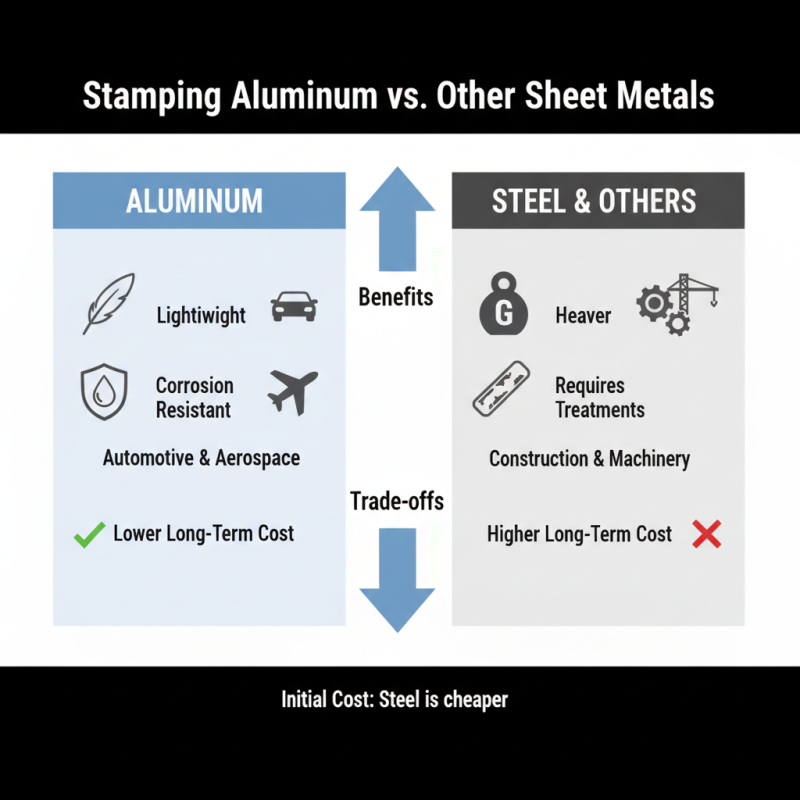
When comparing stamping aluminum to other sheet metal materials, several factors come into play. Aluminum is known for its lightweight and corrosion resistance. This makes it a prime choice in industries like automotive and aerospace. Steel, for example, is heavier and often requires additional treatments to achieve similar durability. While steel may be cheaper upfront, the long-term benefits of aluminum often outweigh initial costs.
Another important aspect is the ease of stamping. Aluminum sheets can be shaped and molded more easily than many other metals. This flexibility allows for intricate designs that would be challenging with stainless steel or copper. However, aluminum's softness can be a double-edged sword. While it is easier to work with, it may not hold up as well under extreme stress or impact when compared to tougher metals.
Welding aluminum can pose challenges, and sometimes, adhesive bonding is needed. Other metals may offer a more straightforward welding process. This could complicate assembly and potentially increase the overall production time. Each material has its strengths and weaknesses, and the decision should hinge on the specific requirements of the project at hand.
Applications of Stamping Aluminum Sheet Metal in Various Industries
Stamping aluminum sheet metal finds extensive applications across various industries. In the automotive sector, it is often used to create lightweight, durable components. These parts enhance fuel efficiency while maintaining strength. This balance is crucial for manufacturers aiming to meet environmental standards.
In the aerospace industry, precision is vital. Stamped aluminum components must be reliable under extreme conditions. Engineers rely on these materials to reduce weight without compromising safety. This requires deep expertise in metallurgy and design, pushing the boundaries of innovation.
Electronics also benefit significantly from aluminum stamping. Lightweight housings and heat sinks optimize performance. However, achieving the perfect finish can be challenging. It often involves trial and error in design. Industry experts must adapt quickly to resolve unexpected issues. Emphasizing quality control in the process helps prevent costly mistakes.
Applications of Stamping Aluminum Sheet Metal in Various Industries
Cost-Effectiveness and Sustainability of Stamped Aluminum Products
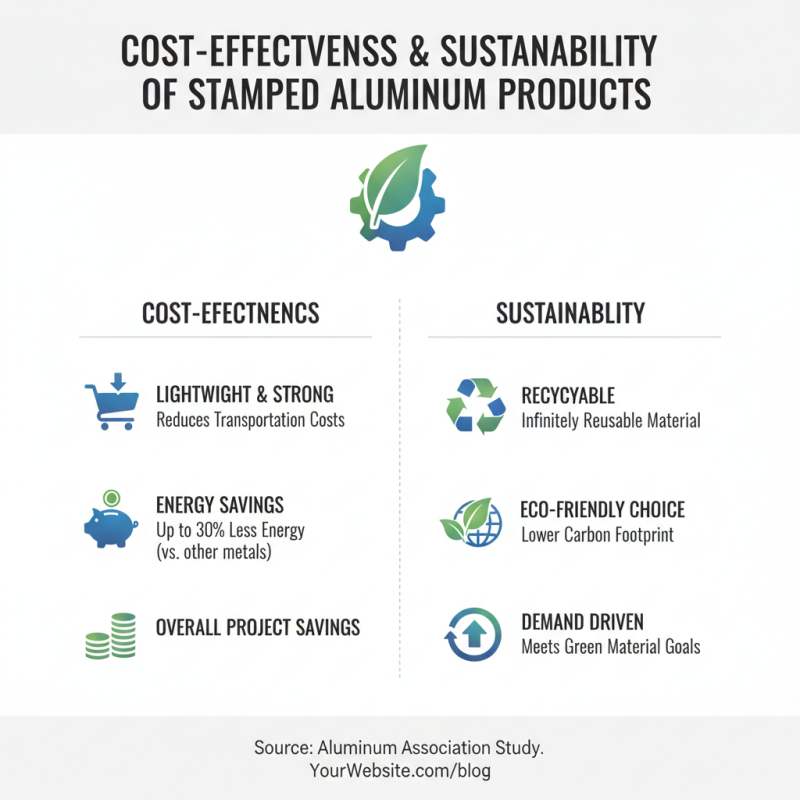
Choosing stamped aluminum sheet metal for your projects brings significant advantages in cost-effectiveness and sustainability. Aluminum is lightweight yet strong. This dual benefit reduces transportation costs and energy consumption during the manufacture. According to a study by the Aluminum Association, using aluminum can save up to 30% in energy costs compared to other metals. This capacity for savings aligns with a growing demand for environmentally-friendly materials.
Sustainability is a major concern in modern manufacturing. Stamped aluminum is highly recyclable, with 75% of aluminum ever produced still in use today. Recycling aluminum requires only 5% of the energy needed to create new aluminum. This impressive statistic highlights aluminum’s role in reducing the overall carbon footprint of projects. Companies that switch to recycled aluminum can reduce their greenhouse gas emissions significantly, reinforcing their commitment to eco-friendly practices.
Tip: Always evaluate the lifecycle of the materials you choose. Consider not just initial costs, but long-term savings and environmental impact.
Some projects may face challenges, such as sourcing high-quality aluminum that meets specifications. Consider partnering with reputable suppliers who prioritize sustainable practices. Finding the right balance between cost and quality is crucial for project success. Adjusting designs might also improve material efficiency, further enhancing sustainability. Simplifying designs can lead to reduced waste and a more effective use of resources.