How to Choose the Best Milling Machining Techniques for Your Project?
Milling machining is a crucial process in the manufacturing industry. It allows for precise shaping of materials, enhancing product quality. According to a report by Grand View Research, the global CNC milling machine market is expected to reach $100 billion by 2025. This growth indicates the increasing importance of milling techniques in various sectors.
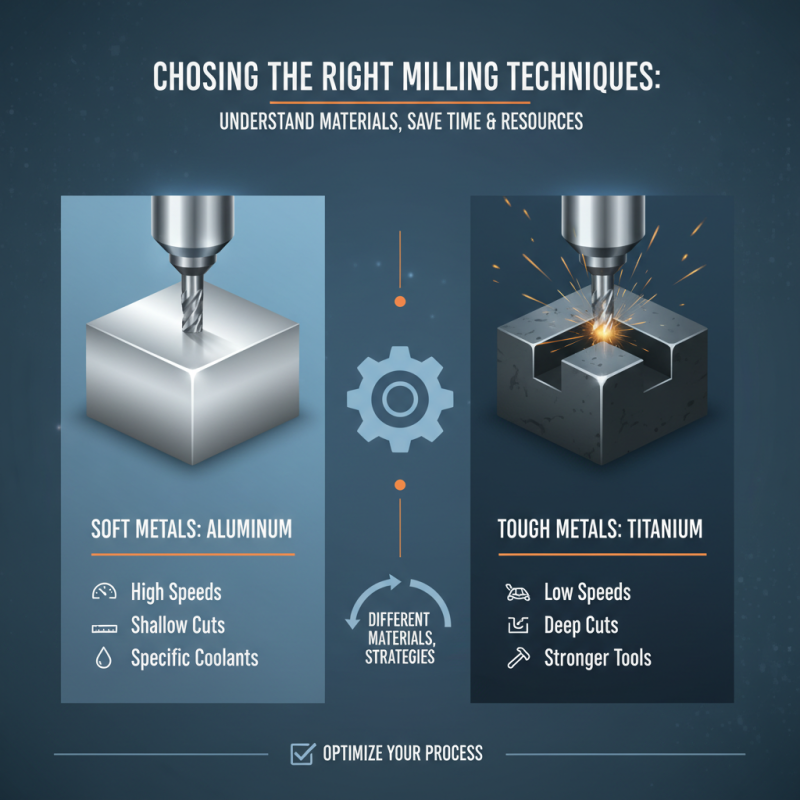
Selecting the right milling machining technique for a project can be daunting. Different materials and designs require unique approaches. For instance, harder materials often need advanced tooling. Data from Markets and Markets suggests that improper selection can lead to 20% project delays. Thus, understanding the nuances of milling is essential for project success.
Yet, not all processes are flawless. Mill operators sometimes face challenges in tool wear and equipment maintenance. These issues highlight the need for continual learning and adaptation in the field. Ultimately, making informed decisions in milling machining can significantly impact project outcomes and efficiency.
Understanding Milling Machining Techniques and Their Applications
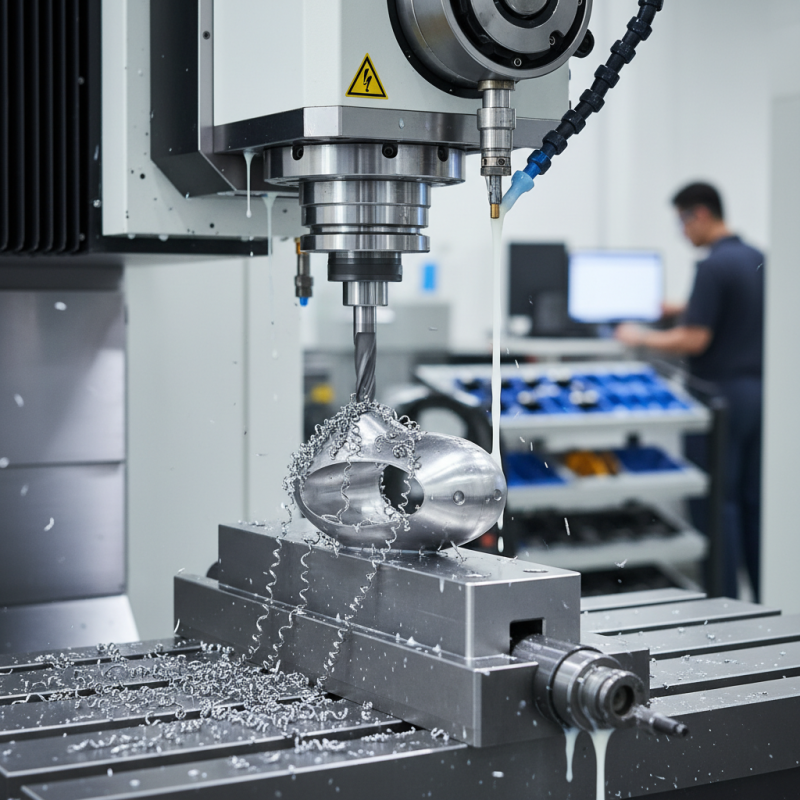
Milling machining techniques play a crucial role in manufacturing. Understanding these methods helps in selecting the right approach for a project. There are various techniques, each with unique applications and benefits. For instance, face milling is widely used for producing flat surfaces. It provides good precision and surface finish. Data shows that face milling can achieve tolerances of up to ±0.005 inches, making it a favorite in the industry.
Another important technique is slab milling. This method is efficient for removing large amounts of material quickly. However, it might not offer the same level of precision as face milling. In reports, it's noted that slab milling often results in a rough finish, which requires additional machining. It's essential to consider the project's requirements when choosing between these methods.
Additionally, specialized techniques like ball end milling can create complex geometries. These methods allow for intricate designs but may come with longer machining times. Industry analysis reveals that about 30% of machining time in complex projects is spent on such operations. This highlights the need for a thoughtful approach in selecting milling techniques based on the specific demands of each project.
Assessing Precision and Tolerance Requirements for Your Project
When assessing precision and tolerance requirements for your project, the first step is to define the specifications needed. High-precision projects often require tighter tolerances. For instance, aerospace components might need tolerances of just a few microns. This level of precision ensures that parts fit seamlessly together.
Consider the milling techniques available. Some methods excel in speed but may sacrifice precision. Others provide high accuracy but may take longer. If you have a design that must meet strict tolerances, CNC milling may be the best choice. It can produce parts with minimal variance, but it's essential to evaluate the costs and processing times. Sometimes, a combination of techniques may be necessary.
It’s crucial to reflect on your project's end-use. If parts will function under high stress, tighter tolerances become essential. On the flip side, over-specification can lead to unnecessary costs. Balancing precision with practicality is an art in itself. Sometimes, simpler techniques can yield satisfactory results without excessive expenditure. This requires careful consideration of both the project needs and budget constraints.
Comparing Conventional and CNC Milling Methods
When choosing between conventional and CNC milling methods, it's essential to consider the specifics of your project. Conventional milling involves a manual process where operators control the machine's movements. This can be beneficial for small-scale projects or for situations requiring flexibility. Operators can adjust parameters in real-time, catering to unique machining needs. However, this method may also result in inconsistencies in precision, depending on the operator's skill level.
On the other hand, CNC milling offers greater automation. Computer numerical control machines execute precise instructions with minimal human intervention. This leads to higher accuracy and repeatability, making CNC ideal for large production runs. Yet, this precision comes at a cost, both in terms of the investment required for CNC machinery and the programming expertise needed. Projects might benefit from the efficiency that CNC provides, but the initial setup can be complex and time-consuming.
When deciding, reflect on the requirements of your project. Assess the balance between cost, precision, and production volume. Each method offers unique advantages and challenges. Ultimately, the choice lies in aligning the milling technique with your project's specific goals.
Comparison of Conventional and CNC Milling Methods
This chart illustrates the performance comparison between CNC milling and conventional milling methods across different metrics: Precision, Speed, Cost, Flexibility, and Complexity. CNC milling consistently shows higher performance in precision and flexibility, while conventional milling has advantages in cost efficiency.
Cost Analysis and Budget Considerations for Milling Techniques
When considering milling techniques for your project, cost analysis is essential. Each technique varies in energy consumption and equipment demands. High-precision techniques often come with a higher price tag. This is due to the need for advanced machinery and skilled operators. Budget constraints can limit options. It's wise to list your project requirements first.
A detailed comparison of costs is necessary. Consider upfront costs and long-term savings. For example, some methods may reduce material waste. Others might speed up production time. However, balancing quality and price can be tricky. Cheaper methods may not yield the desired precision. This trade-off could lead to increased costs down the line.
It’s also crucial to factor in maintenance. Some milling machines require frequent servicing, which adds to the budget. Inadequate planning might lead to hidden costs. Poor technique choices may affect product quality. Reflecting on your options ensures that you choose a method that aligns with your financial framework while meeting project requirements.