How to Achieve Perfect Mould Die Design for Your Projects?
The process of Mould Die Design is crucial in the manufacturing industry, significantly impacting production efficiency and product quality. According to a 2023 report by the Society of Manufacturing Engineers, effective die design can enhance production rates by up to 30%. This statistic emphasizes the necessity of precision in the design phase.
However, achieving perfect Mould Die Design is often challenging. Many engineers encounter issues like material selection and tolerance discrepancies, which can lead to costly errors. A study by the International Journal of Advanced Manufacturing Technology highlighted that 25% of die failures result from poor design choices. These failures not only slow down production but also increase operational costs, prompting the need for constant reflection and improvement.
As we explore the best practices for achieving optimal Mould Die Design, it’s essential to understand various factors. Factors such as design software, manufacturing capabilities, and team expertise play vital roles. Misalignment in these elements can hinder project timelines and outcomes. Continuous learning and adaptation in design techniques are necessary to overcome these hurdles and reach excellence in Mould Die Design.

Understanding the Basics of Mould Die Design and Its Importance
Mould die design is crucial for successful project outcomes. Understanding the fundamentals can significantly elevate production quality. Research shows that poor design can lead to defects affecting 20% of production. This figure highlights the urgent need for careful planning in the design stage.
Key aspects include material selection, die geometry, and cooling systems. Selecting the right materials ensures durability. For instance, steels like P20 or S7 are often favored for their balance between hardness and toughness. Geometry affects how the die flows; improper angles can cause stress concentrations and failures. A study revealed that optimizing geometry can improve product quality by up to 30%.
Cooling systems are another critical element. They play a significant role in improving cycle times. A well-designed cooling channel can enhance efficiency and reduce warping. However, achieving this requires meticulous calculations and simulations, often neglected in initial design phases. Many engineers overlook these details, leading to costly revisions later on. Addressing these flaws early can save time and resources, fostering a smoother production process.
Key Considerations for Material Selection in Mould Die Fabrication
Selecting the right material for mould die fabrication is crucial. It directly impacts the performance, durability, and cost-effectiveness of the mould. A common oversight is not considering the specific application requirements. Each project may demand a unique blend of strength, temperature resistance, and wear properties. For instance, hard steel is excellent for heavy-duty use, but can be too rigid for intricate designs.
Understanding the environmental factors is another essential consideration. Moulds may be exposed to extreme temperatures or corrosive substances. This exposure can degrade materials over time. Many designers fail to account for these aspects, leading to premature equipment failure. Conducting a thorough analysis of the working conditions can help ensure longevity.
Cost is also an important factor. Premium materials often promise better results but can strain the budget. Balancing quality and cost is an ongoing challenge. Sometimes, less expensive options may suffice but require more frequent replacements. It’s important to reflect on these trade-offs while aiming for an optimal design.
Material Selection Considerations for Mould Die Design
This bar chart illustrates the importance of various material properties in mould die design, focusing on factors such as strength, thermal conductivity, and cost-effectiveness.
Step-by-Step Process for Efficient Mould Die Design
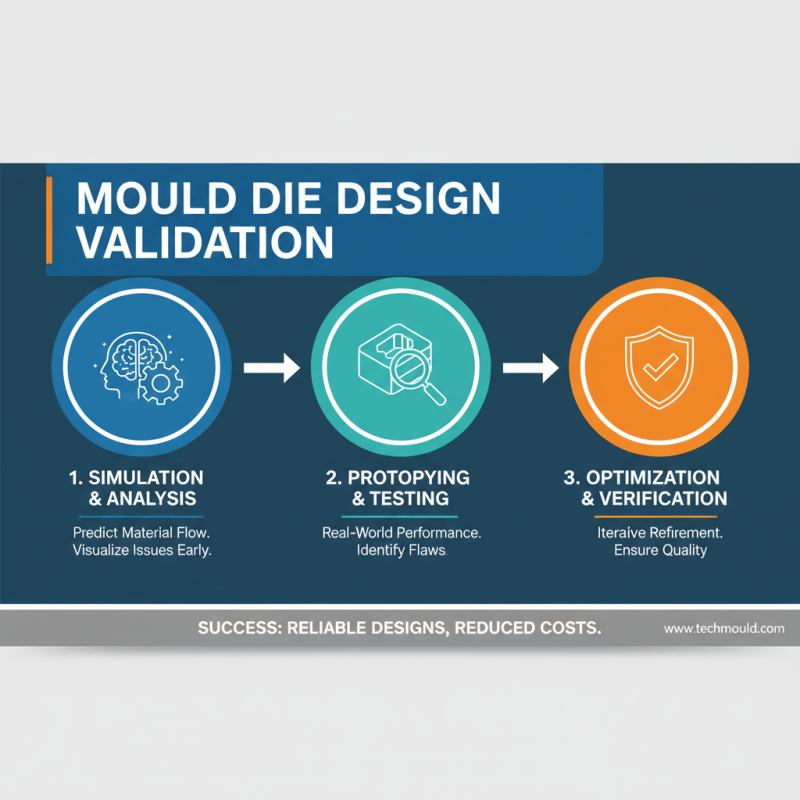
Achieving efficient mould die design requires a systematic approach. Start by thoroughly understanding your project requirements. Gather information about materials and desired outcomes. Collaborate with your team to identify potential challenges early. This step is crucial. Miscommunication at this stage can lead to significant setbacks.
Once you're aligned, move on to sketching initial designs. Utilize CAD software for precision. It allows for easy modifications. Be prepared to revisit and refine these designs multiple times. Often, initial ideas fall short of expectations. A design can look great on paper but may not perform well in practice.
Testing prototypes is essential. Create physical models and assess their functionality. This phase will highlight issues that seemed minor in design. Tweak the mould die based on these findings. This iterative process can be frustrating but is beneficial. Each layer of feedback strengthens the final product and ensures efficiency.
Innovative Technologies and Tools for Modern Mould Die Design
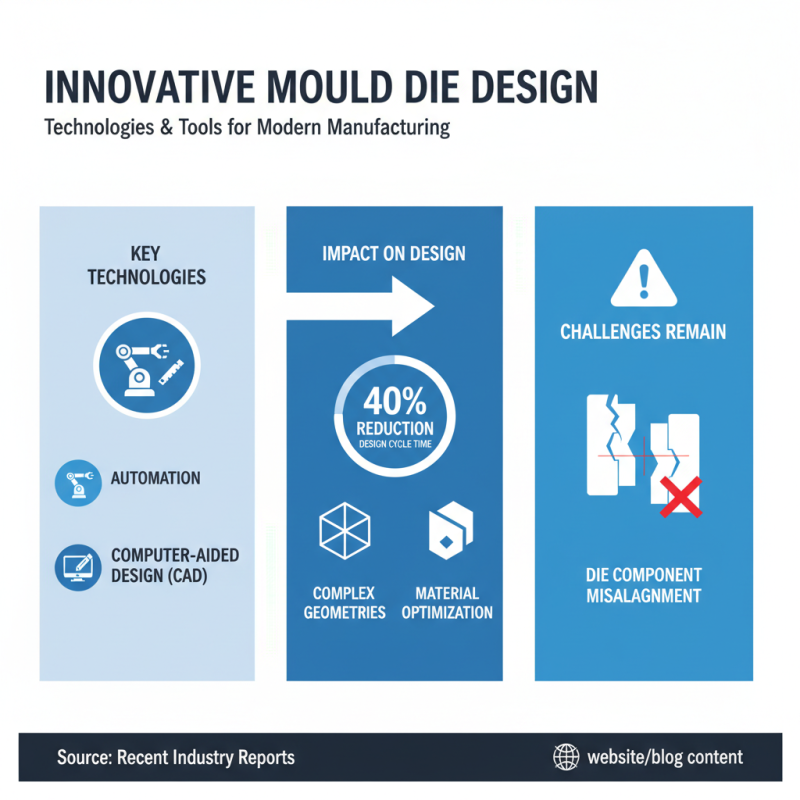
In the rapidly evolving world of mould die design, innovative technologies play a crucial role in enhancing efficiency. Recent industry reports indicate that automation and computer-aided design (CAD) have significantly reduced the design cycle time by up to 40%. These tools allow designers to create complex geometries and optimize materials effectively. Yet, despite these advancements, many projects still encounter issues such as misalignment in die components.
Utilizing 3D printing for prototyping can reduce revisions. This technology allows for faster iterations and helps visualize the end product sooner. A seamless integration of software solutions further enhances accuracy. However, there are challenges, such as data compatibility between different platforms that can lead to delays. Regular assessments of the design process are crucial to identifying these pitfalls.
Tips to achieve better results include focusing on material selection early in the design phase. The right material can enhance durability and improve performance. Additionally, regular training in new technologies ensures that your team stays ahead. Investing time in understanding software updates can solve many integration issues. Addressing these factors can lead to more refined outcomes in mould die design.